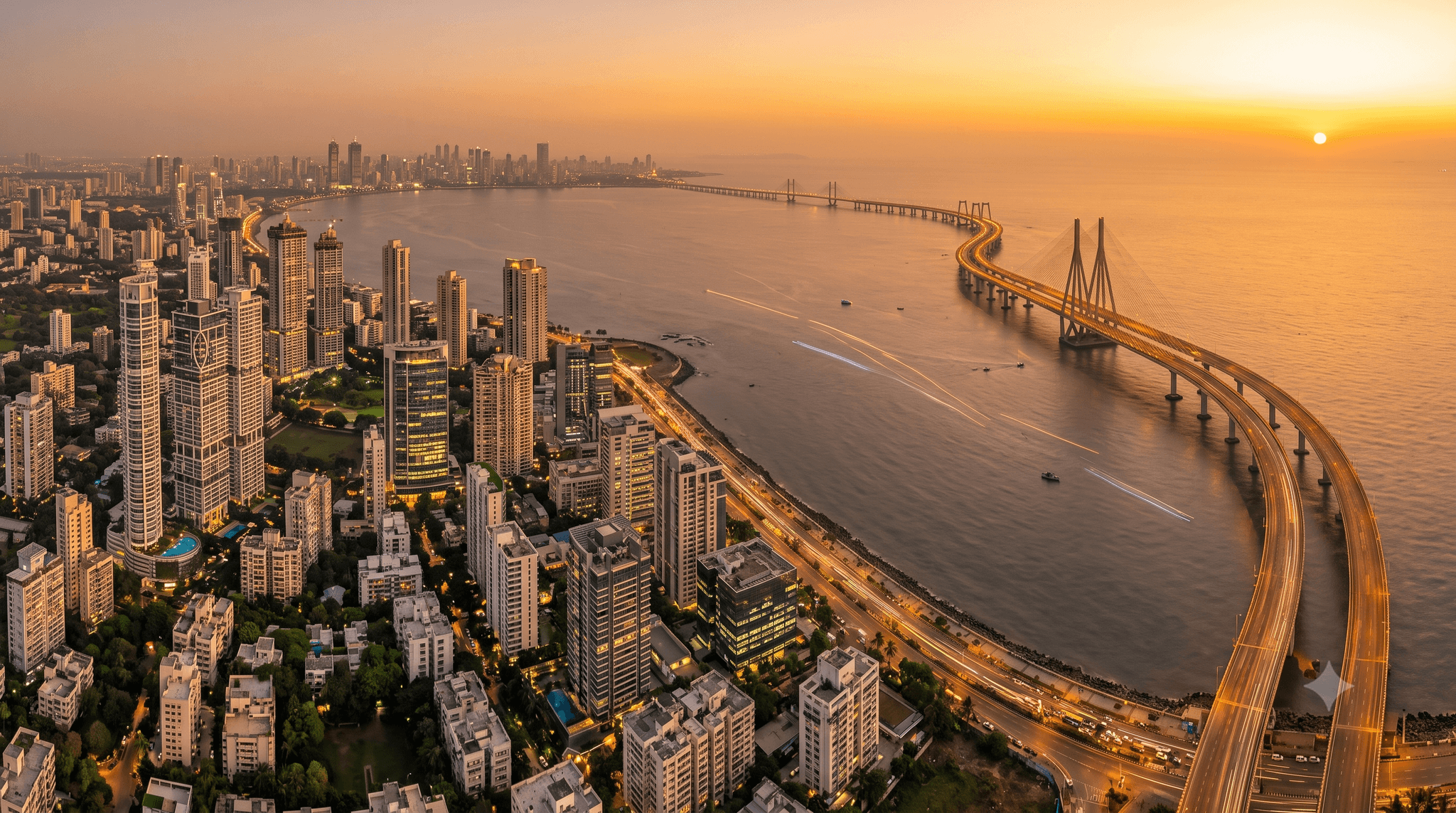
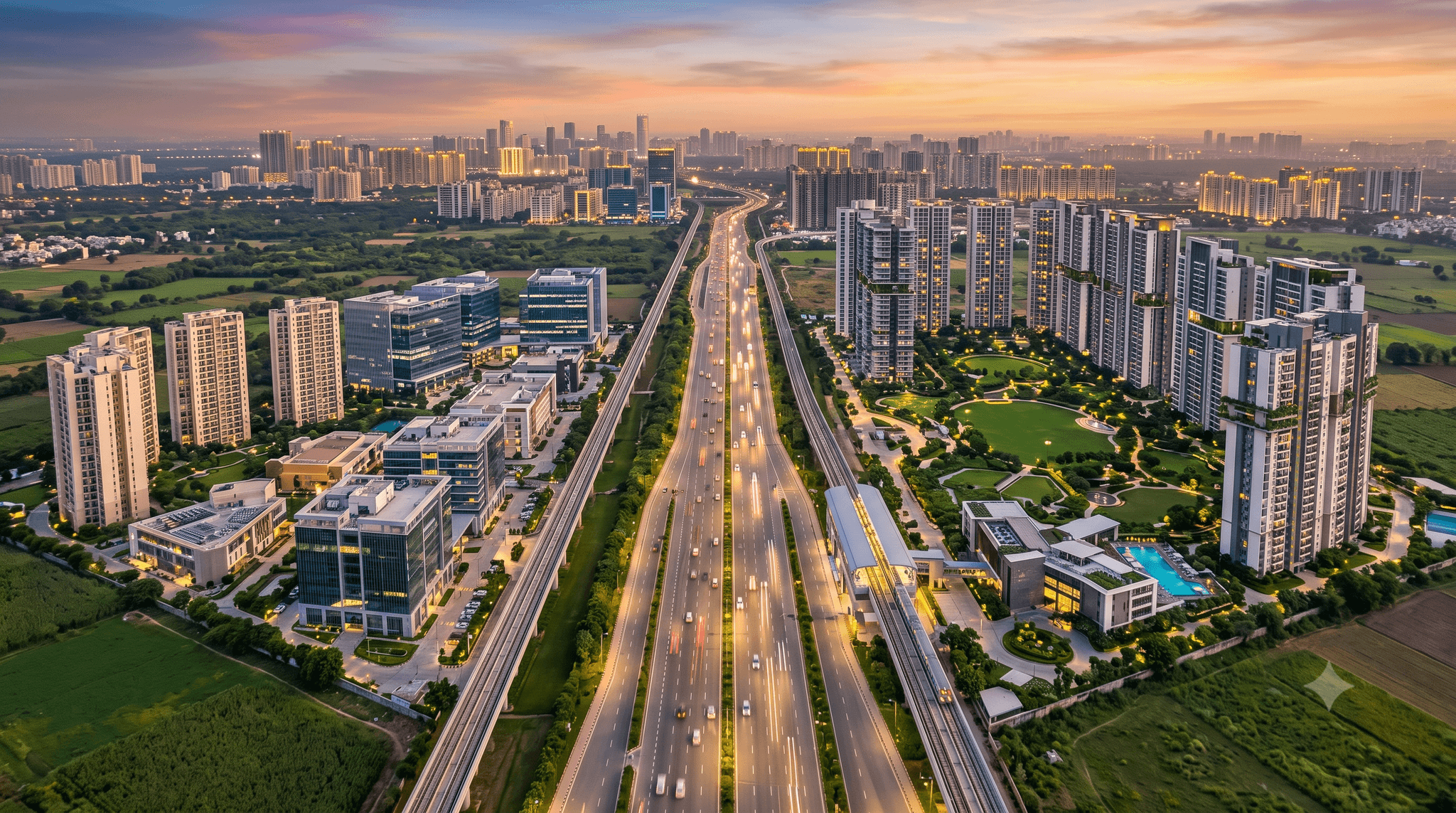
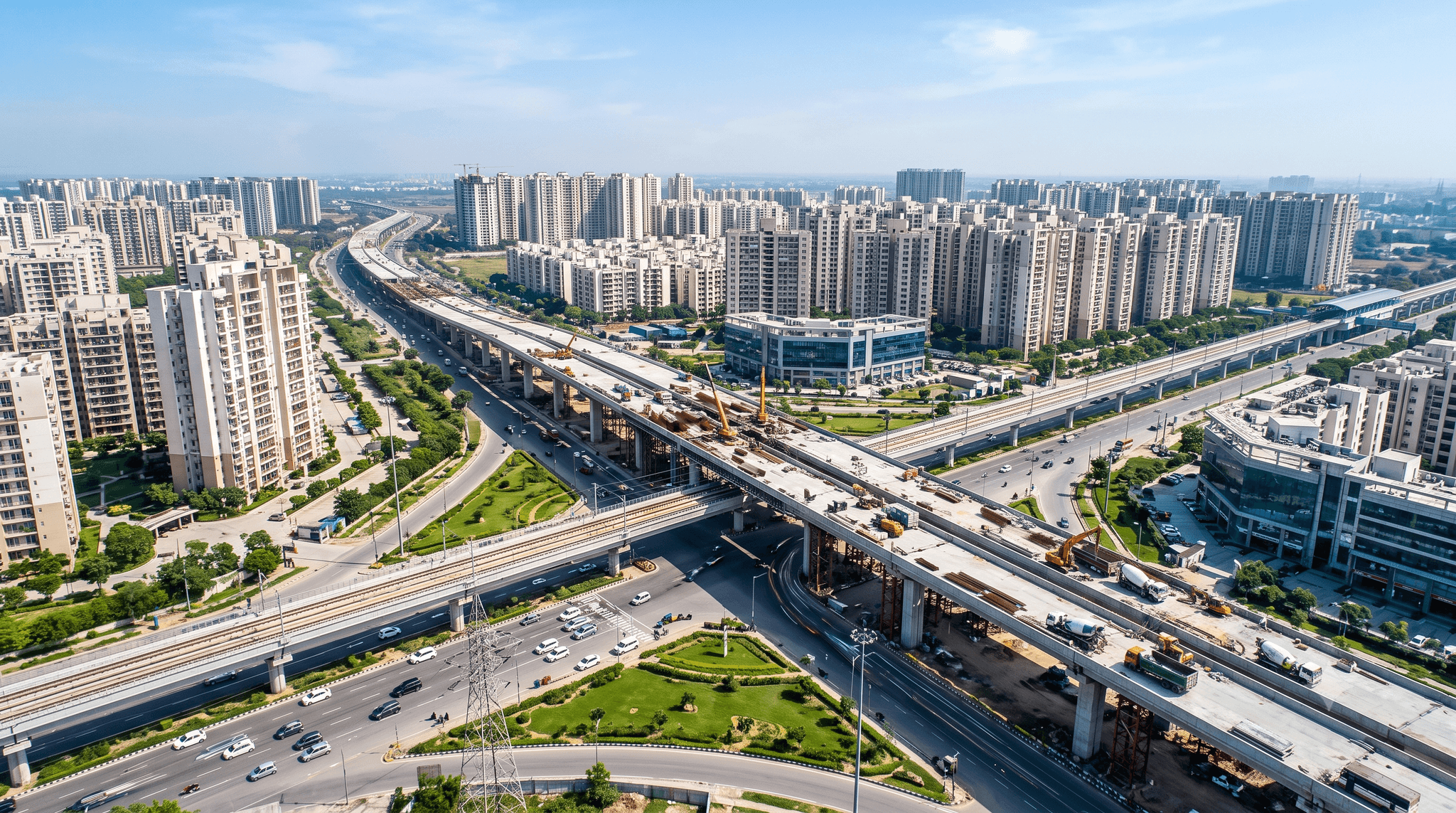
Mumbai's residential market entered 2026 with questions surrounding buyer sentiment after housing sales slowed during the latter half of 2025. Rising property prices, cautious purchasing decisions, and global economic uncertainties weighed on transaction volumes across India's top housing markets. Six months later, however, the picture looks considerably different. While nationwide housing sales have remained under some pressure, Mumbai has emerged as one of the strongest-performing residential markets, supported by record property registrations and resilient demand for premium housing.
Registrations Point to a Stronger Recovery
The clearest indication of Mumbai's recovery has come from property registration data. According to Knight Frank India, properties registered within the Brihanmumbai Municipal Corporation (BMC) limits crossed 80,000 during the January-June 2026 period, the highest first-half figure recorded since digital records began in 2013. Stamp duty collections during the same period also approached ₹7,000 crore, highlighting sustained transaction activity despite higher property prices.
The rebound suggests that while buyer activity slowed during late 2025, demand has not disappeared. Instead, purchasing decisions appear to have shifted towards larger homes and premium developments, particularly in established micro-markets where supply remains relatively constrained.
Premium Housing Continues to Lead Demand
Market analysts note that Mumbai's recovery has not been uniform across all price segments. Luxury and upper mid-income housing continue to outperform affordable housing as developers increasingly focus on premium projects with larger layouts, modern amenities, and integrated communities.
According to Knight Frank's latest affordability assessment, lower home loan interest rates have helped offset part of the increase in residential prices, allowing affordability to remain broadly stable across major Indian cities, including Mumbai. This has supported demand even as average ticket sizes continue to rise.
Industry-wide data released by ANAROCK Research shows that housing sales across India's top seven cities declined by around 6% year-on-year during the April-June 2026 quarter amid geopolitical uncertainties and cautious buyer sentiment. Mumbai, however, has demonstrated greater resilience than several other metropolitan markets, with registration numbers indicating continued purchasing activity despite broader headwinds.
Is the Market Back to Full Strength?
While transaction momentum has clearly improved, our consultants at Hommea believe that Mumbai has entered a more balanced phase rather than another rapid boom cycle. Buyers have become increasingly selective, placing greater emphasis on location, developer credibility, project quality, and long-term liveability instead of purely speculative appreciation.
Neighbourhoods undergoing infrastructure upgrades, redevelopment activity, and improved metro connectivity continue to attract the strongest demand. Premium corridors such as Worli, Lower Parel, Bandra, Mahim, Powai, Chembur, and parts of Navi Mumbai have remained among the city's most active residential markets, supported by ongoing infrastructure investment and limited supply in established locations.
Rather than signalling weakness, the moderation seen during late 2025 now appears to have been a temporary pause following several years of exceptionally strong price growth. Mid-2026 data suggests Mumbai's housing market has largely regained its footing, although future growth is expected to be driven by end-user demand, infrastructure delivery, and premium housing rather than speculative buying.
By the numbers · Mumbai
38%
Capital-value growth, 2021–2025
50%+
Landscaped open area in new launches
24 mo
Window before supply catches demand