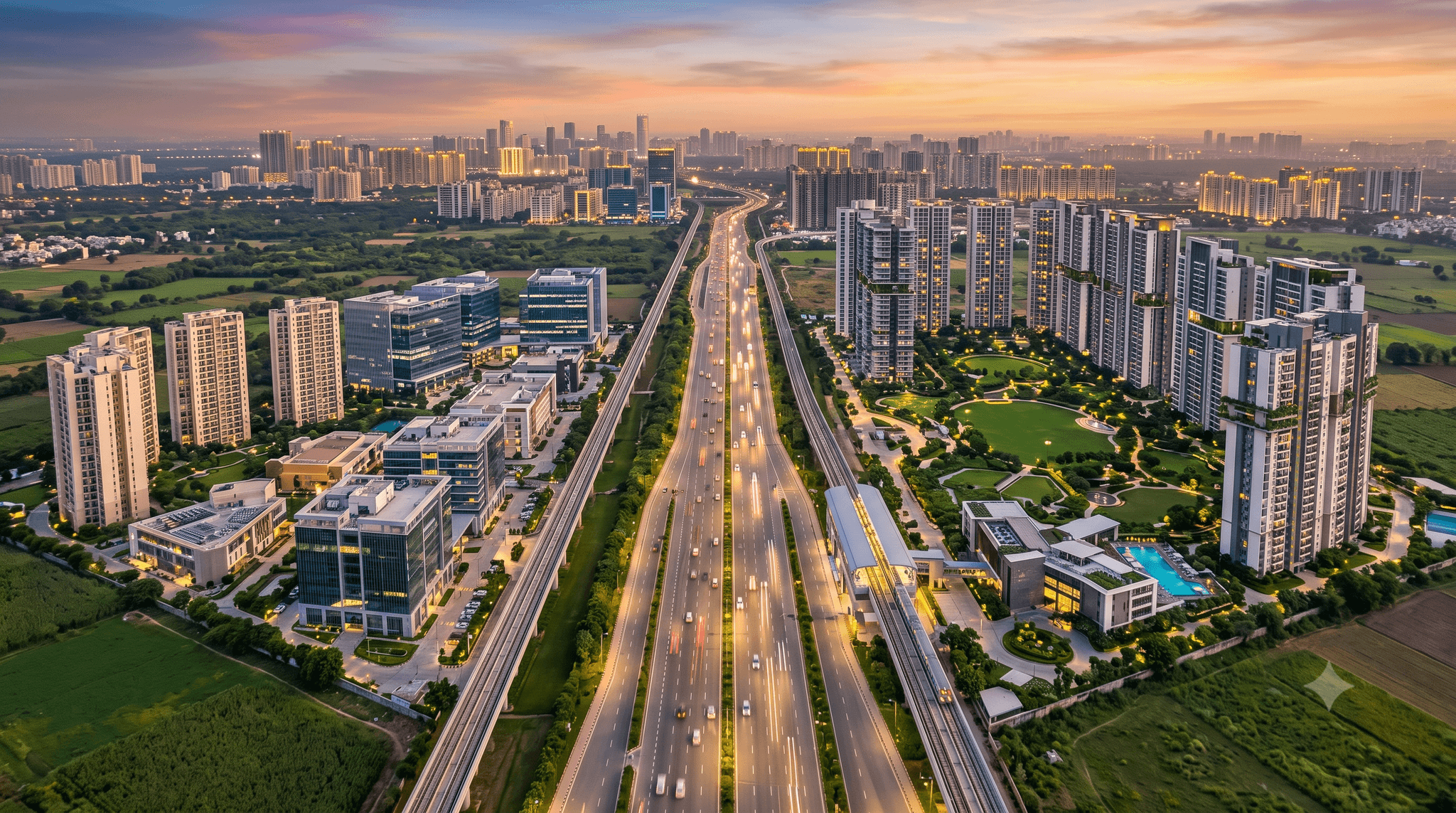
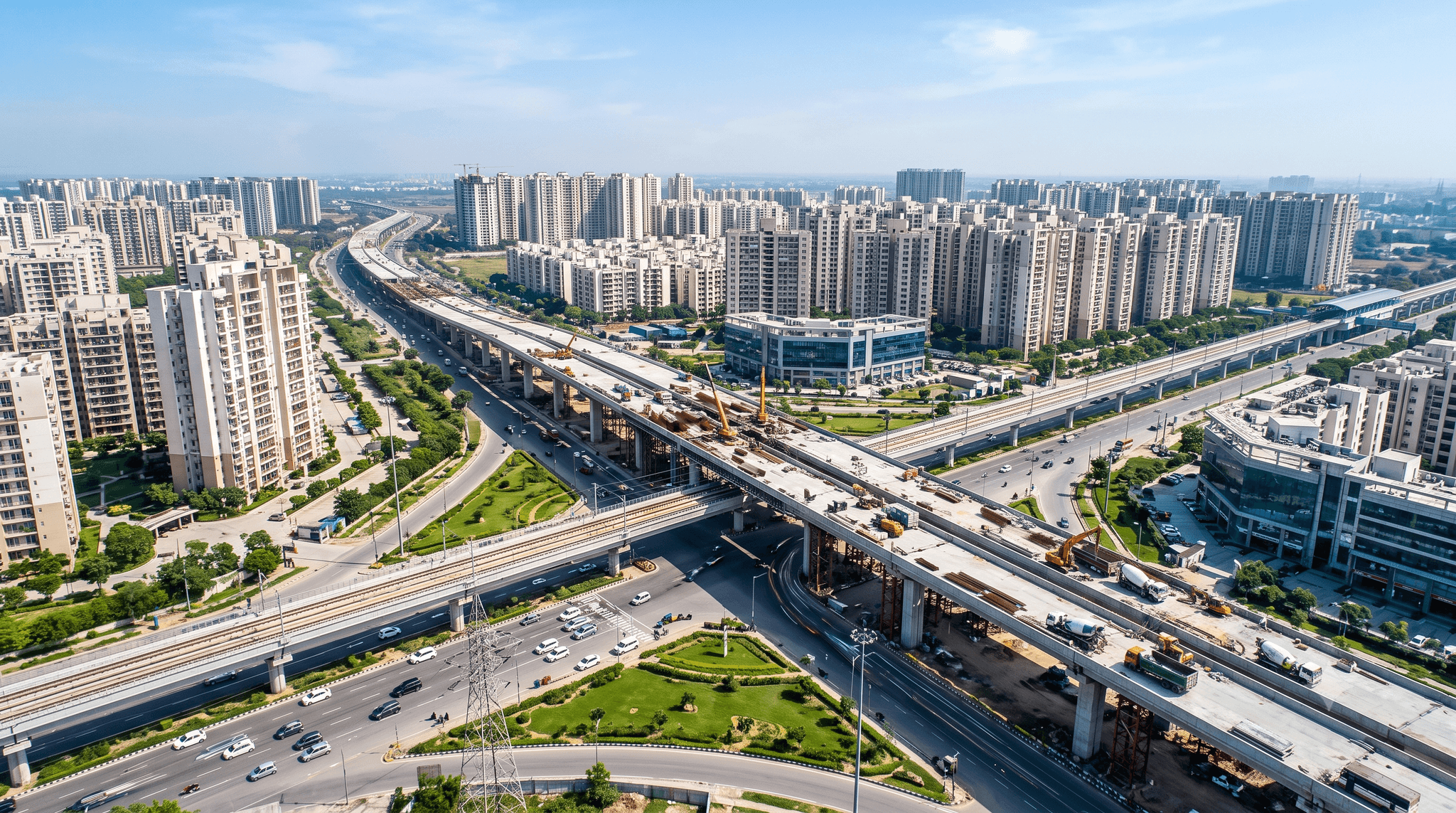
The inauguration of the 213-km Delhi–Dehradun Expressway on April 14 is more than just another infrastructure milestone; it is a moment that could quietly reshape the real estate map of North India. By cutting travel time from over six hours to nearly 2.5 hours, the corridor is opening up possibilities that, until recently, felt impractical for both buyers and investors.
Stretching across Delhi, Uttar Pradesh, and Uttarakhand, this six-lane access-controlled expressway does more than improve connectivity. It changes how people think about distance, commute, and even where they choose to live or invest. What once felt “too far” is suddenly within reach.
Micro-Markets Coming into Focus
The early signs are already visible. Locations that were earlier seen as fringe or slow-moving are beginning to attract attention. Towns like Muzaffarnagar and Saharanpur, along with the outskirts of Dehradun, are witnessing growing interest, especially in land parcels and plotted developments.
What’s interesting is that much of this traction is centred around junction towns and areas near key interchanges. These pockets, often overlooked in the past, are now emerging as the next set of growth nodes. Improved accessibility is making them viable not just for end-users, but also for developers looking to enter at relatively lower price points.
Within NCR, the impact is equally noteworthy. Areas such as Loni, Mandoli, Narela, and Bawana, along with Ghaziabad’s Sahibabad belt, are expected to benefit from better connectivity. Parts of East Delhi: Shahdara, Seemapuri, Karawal Nagar, Sonia Vihar, and Yamuna Vihar, along with Tronica City, are also likely to see a steady uptick in demand.
Price Appreciation Outlook
With connectivity improving so sharply, price movement is almost inevitable. Industry estimates point to a 15 to 25 percent appreciation across key micro-markets over the next 18 to 24 months. The demand push is expected to come from a mix of buyers, those looking at plots, builder floors, villas, and even holiday homes.
Further along the corridor, places like Baghpat, Baraut, Shamli, and Chhutmalpur are beginning to draw early investor interest. On the Uttarakhand side, areas such as Doiwala, Rajpur Road, and the Mussoorie foothills are also expected to see upward movement. For those entering early, this phase could offer meaningful long-term gains.
Second Homes and a Lifestyle Shift
One of the most visible changes is in how buyers are approaching second homes. Dehradun, in particular, is benefiting from this shift. With travel now significantly easier, the city is no longer just a holiday destination; it is becoming a practical extension of urban living.
For many buyers in Delhi-NCR, owning a home in the hills is no longer just aspirational. It is increasingly seen as something usable, whether for regular weekend stays or even longer periods. This shift is likely to fuel demand for villas, gated communities, and plotted developments, especially in premium locations.
Industrial and Warehousing Boost
The impact of the expressway isn’t limited to residential real estate. Its role in improving logistics and connectivity between key industrial hubs is equally important. By linking Ghaziabad, Noida, Greater Noida, and Meerut with emerging centres like Muzaffarnagar and Saharanpur, the corridor strengthens supply chains and reduces transit time.
Estimates suggest that around 1 to 2 million square feet of Grade A warehousing supply could be added in the coming years, with annual leasing activity potentially reaching 1 to 1.5 million square feet. This kind of industrial growth often brings employment, which in turn feeds into residential demand.
What Investors Should Keep in Mind
While the opportunity is clear, it is not uniform across the corridor. Some micro-markets will move faster than others. Locations near entry and exit points, or those with planned industrial and commercial activity, are likely to see stronger appreciation.
There is also a difference in risk and return depending on the stage of investment. Early-stage land and plotted developments may offer higher upside, but they typically require patience. On the other hand, established NCR markets provide more stability, even if returns are relatively moderate.
The Bigger Picture
The Delhi–Dehradun Expressway is not just about faster travel; it is about shifting real estate demand across regions. By making new locations accessible and viable, it is gradually reducing the pressure on traditional urban centres and spreading growth more evenly.
For investors and homebuyers, the real opportunity lies in timing and selection. Those who identify the right micro-markets early could benefit the most. As the corridor develops further, it is likely to become one of the defining drivers of real estate growth in North India.
By the numbers · Delhi
38%
Capital-value growth, 2021–2025
50%+
Landscaped open area in new launches
24 mo
Window before supply catches demand