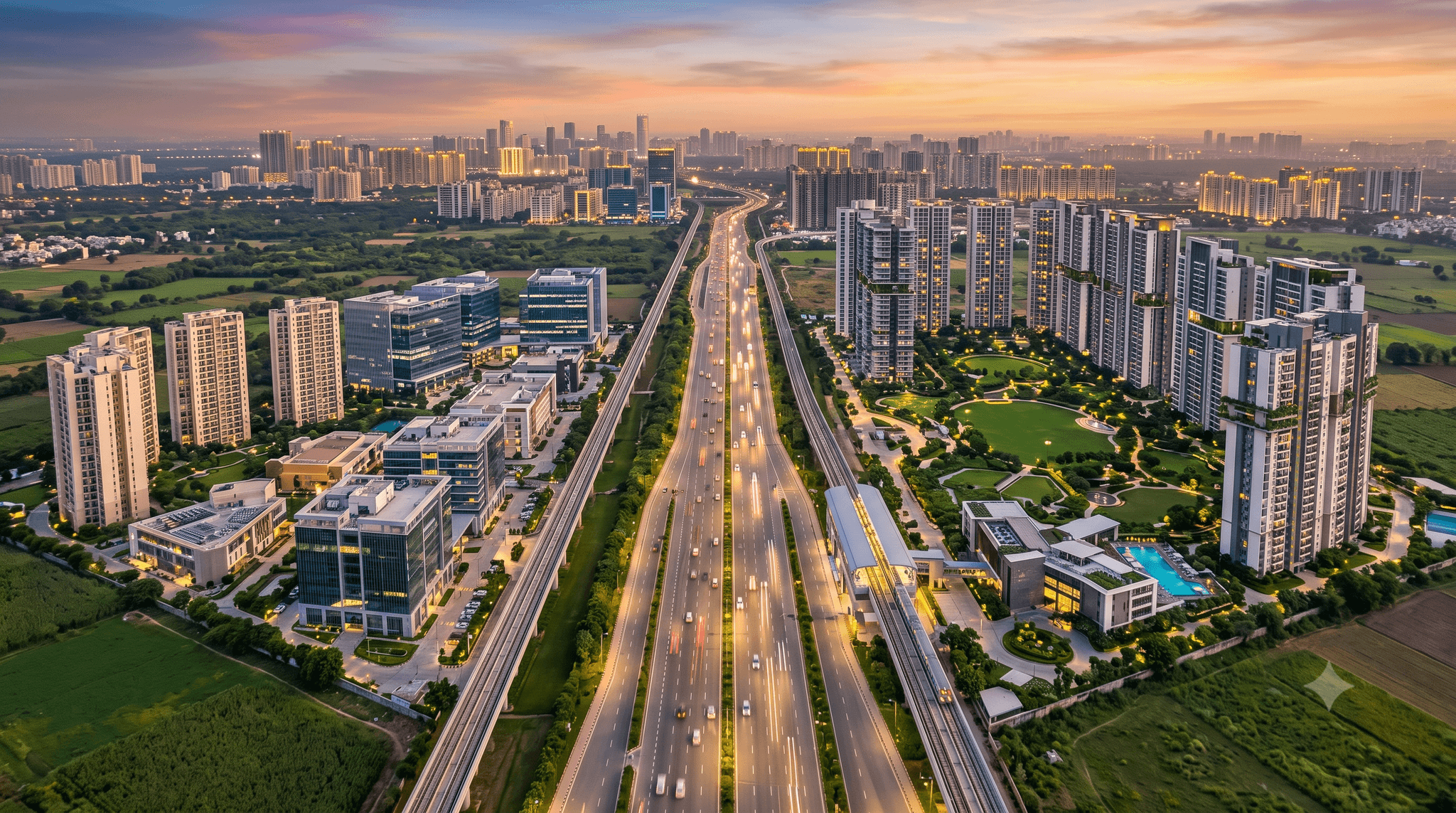
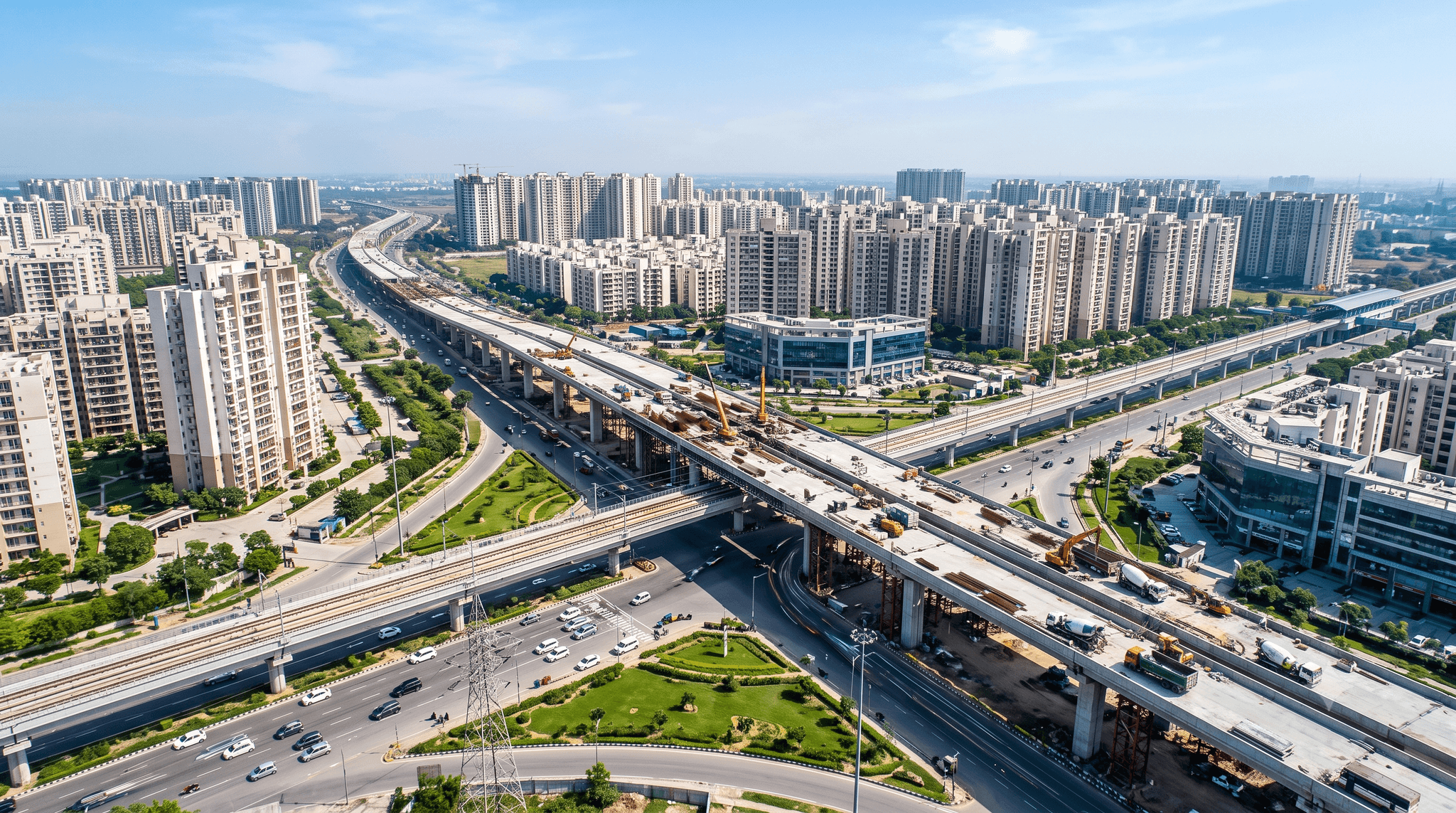
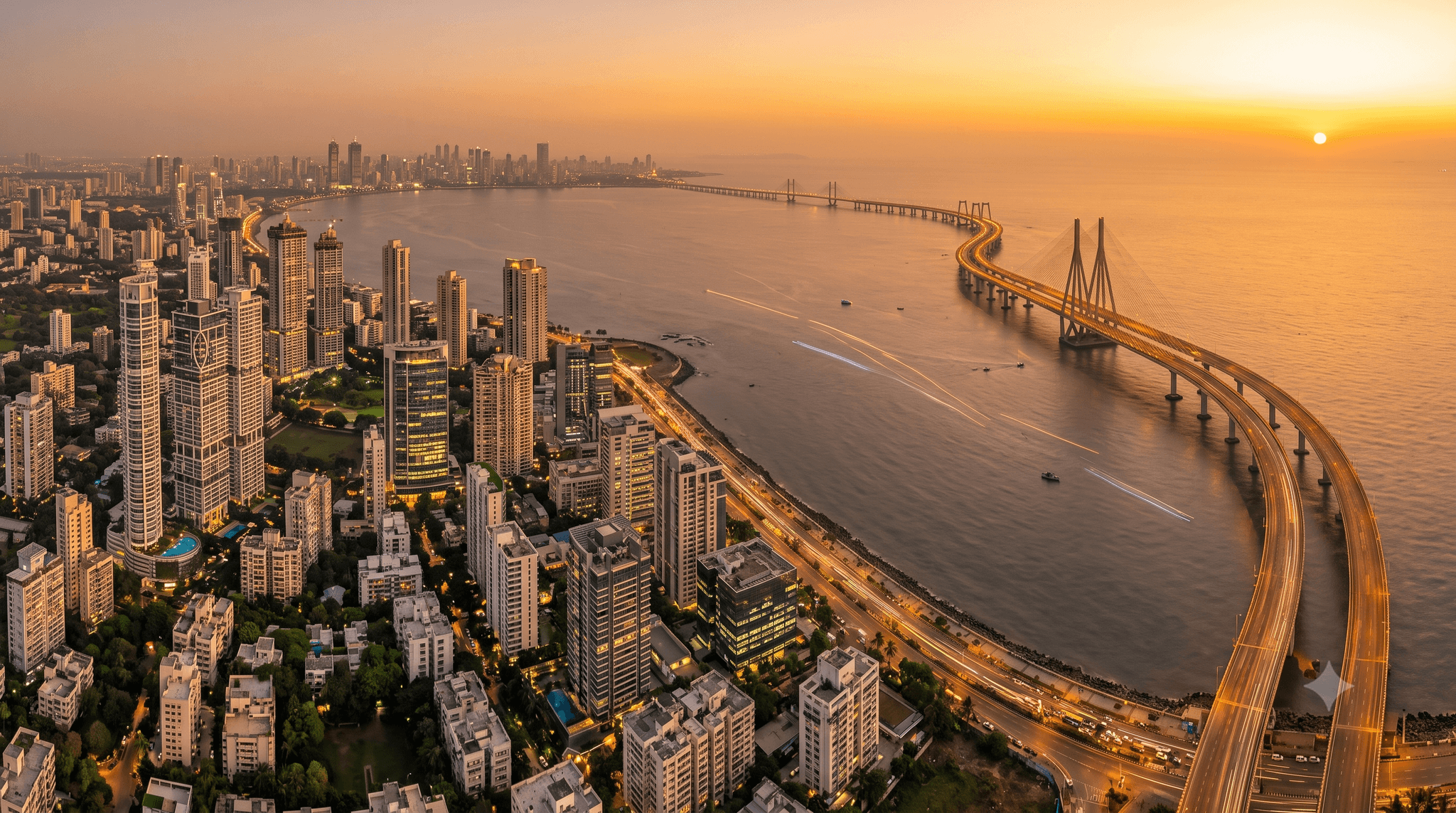
India’s housing market has stepped into 2026 with a mix of energy and caution. On one side, supply is clearly rising. Active listings across 13 major cities touched 1,10,821 units in the January to March quarter, showing a 10.1% jump year on year and a 6.8% rise over the previous quarter. On the other hand, prices are not cooling off. The average residential rate has climbed to ₹14,633 per sq ft, up 14.1% compared to last year.
That combination may sound unusual at first. More supply usually eases prices. Yet, real estate rarely follows simple rules. What we are seeing right now is a market that is growing in size while also becoming more expensive to enter.
Demand Slows a Bit but Stays Strong Overall
Buyer demand has not disappeared; it has just taken a slight pause. The data shows a 2.2% dip compared to the previous quarter, but on a yearly basis demand is still 1.5% higher. Nearly 31.7 lakh units were tracked during the quarter, which is not a weak number by any standard.
This slowdown looks more like a breather than a warning sign. External factors like interest rates and global uncertainty tend to affect short term decisions. Buyers wait, reassess, and then come back. That pattern is playing out again.
At the same time, developers do not seem worried. Projects continue to launch, inventory is building up, and pricing remains firm. That points to one thing. Confidence in long term demand is still intact.
Premium Housing Is Taking the Lead
The market is moving towards premium homes. More inventory is now entering the ₹3 crore plus segment, especially in cities like Bengaluru, Hyderabad, and parts of NCR.
Buyers are also leaning towards better layouts and more usable space. Around 80% of demand is still coming from 2BHK and 3BHK homes. Most of these fall in the 750 to 1,250 sq ft range. Practical homes are still the backbone of the market, even as luxury gains attention.
Regional trends add another layer. NCR and southern cities are seeing interest in larger homes, while Mumbai continues to rely on compact units due to affordability limits. This split shows how local factors still shape buying decisions in a big way.
What Is Really Driving Prices Up
Prices are not rising by chance. Several forces are working together. Input costs remain high, from construction materials to labour. Developers are also being careful with supply, focusing on segments where margins are stronger.
Another reason is the shift in buyer mindset. People are not just buying homes for investment anymore. End use is becoming more important. Buyers want better quality, more space, and a lifestyle upgrade. That pushes developers to build higher value projects, which naturally come at higher prices.
There is also a sense that real estate is entering a more stable phase. The wild swings seen in earlier cycles are giving way to steady, measured growth. Supply is rising, demand is holding, and prices are moving up at a controlled pace.
A More Balanced Phase Ahead
All signs point to a market that is settling into balance. Short term demand may move up and down, but the broader direction looks steady. Developers are expanding supply with confidence. Buyers are still active, just a bit more selective.
India’s housing market in 2026 is not overheating, and it is not slowing down either; it is evolving. A little more mature, a little more measured, and still very much on the move.
By the numbers · Haryana
38%
Capital-value growth, 2021–2025
50%+
Landscaped open area in new launches
24 mo
Window before supply catches demand