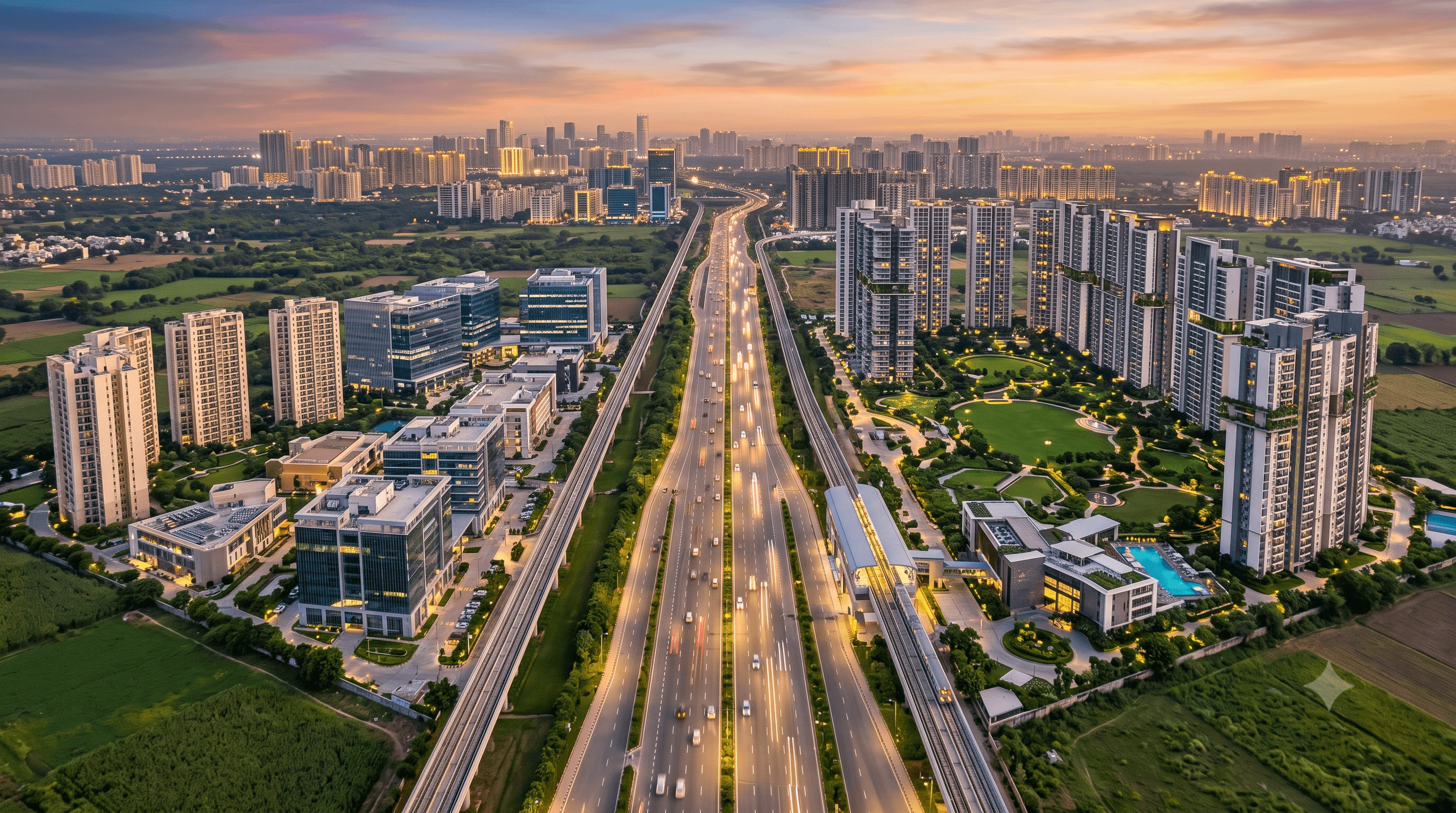
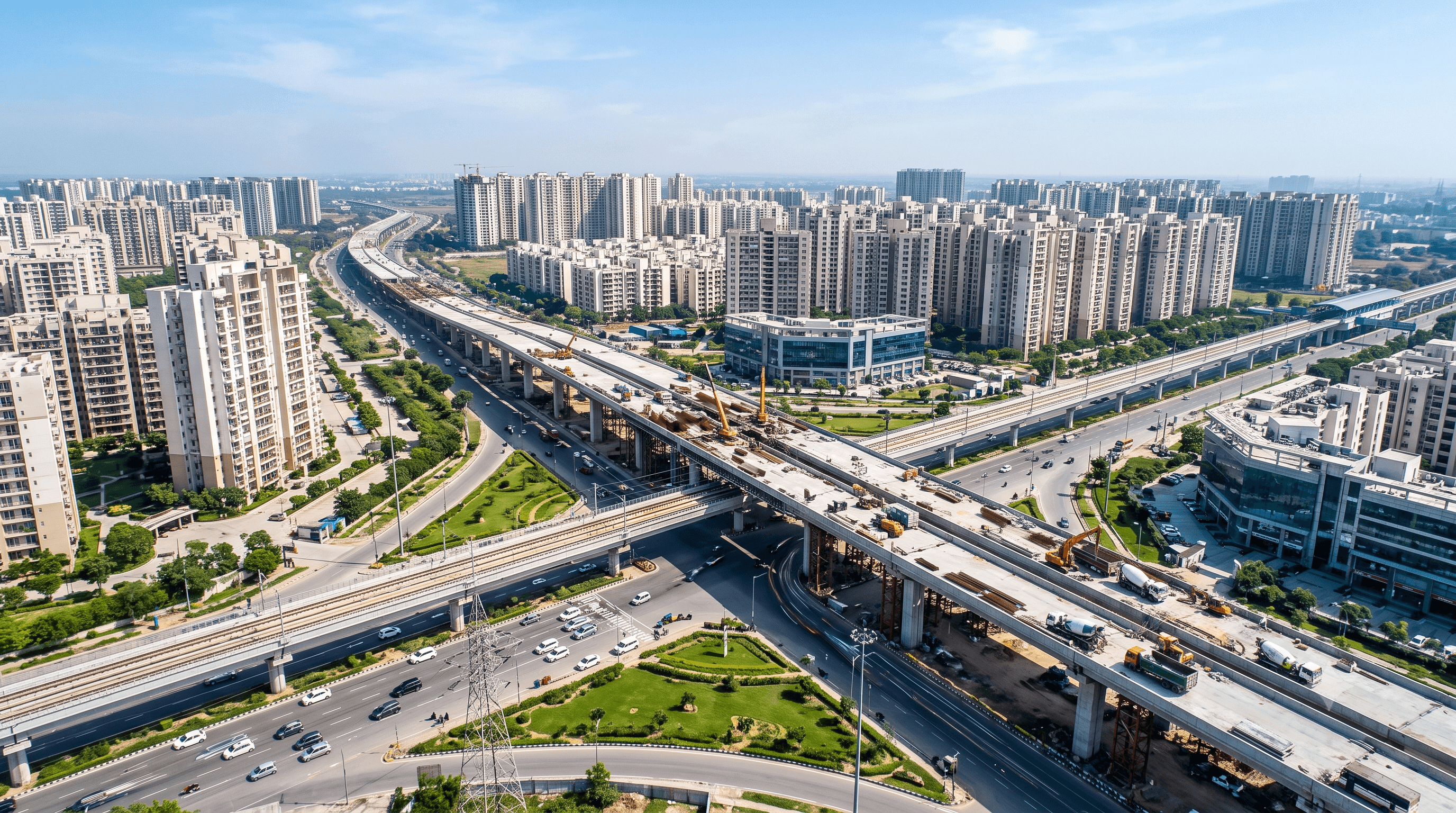
Mumbai's plan to transform a large portion of the Mahalaxmi Racecourse into an international-standard Central Park has taken a significant step forward, with the Maharashtra government moving ahead with the proposal following consultations on the project's design and public access. The redevelopment, envisioned as one of India's largest urban parks, is expected to reshape not only South Mumbai's public spaces but also the long-term real estate outlook for neighbouring luxury micro-markets such as Mahalaxmi, Worli, Tardeo, Lower Parel, and Haji Ali.
A Public Landmark with Real Estate Implications
The proposed Central Park will span nearly 295 acres, integrating the existing racecourse with adjoining open spaces and new pedestrian infrastructure. Government plans include landscaped gardens, walking and cycling tracks, an underground sports complex, and improved connectivity through a dedicated subway linking the park with Metro Line 3. Authorities have repeatedly stated that the project will remain a public open space without commercial development above ground.
Our experts at Hommea have long observed that large public parks enhance the appeal of surrounding residential neighbourhoods by improving environmental quality, walkability, and access to recreational opportunities. While Mumbai's luxury property market has historically been driven by limited land supply and sea-facing developments, the creation of a landmark urban park introduces another premium lifestyle factor that could influence buyer preferences in South Mumbai.
Why Mahalaxmi, Worli and Lower Parel Could Benefit
The racecourse already sits at the centre of some of Mumbai's most valuable residential districts. Premium developments in Mahalaxmi, Worli, Lower Parel, and Tardeo enjoy proximity to business districts, coastal infrastructure, and established social amenities. The addition of a world-class public park is expected to further enhance the area's liveability, particularly as newer luxury projects increasingly compete on lifestyle rather than location alone.
Property consultants note that international examples, including Central Park in New York and Hyde Park in London, have demonstrated how major urban green spaces can support long-term residential demand and pricing. While Mumbai's market dynamics differ considerably, improved public infrastructure and enhanced neighbourhood appeal could strengthen buyer sentiment, particularly within the luxury housing segment.
At the same time, analysts caution that any price appreciation is likely to remain gradual. Property values will continue to depend on broader market conditions, infrastructure execution, redevelopment activity, and demand from end-users rather than the park project alone.
Long-Term Value Will Depend on Execution
The Central Park proposal has also generated debate among architects, urban planners, and civic groups regarding design, environmental impact, and future governance. While the government has reaffirmed its commitment to preserving the site's public character, the final master plan is still evolving following stakeholder consultations.
For nearby homeowners and prospective buyers, however, the broader direction remains significant. If delivered as proposed, the transformation of the Mahalaxmi Racecourse into one of India's largest urban parks could reinforce South Mumbai's position as a premium residential destination while adding a rare open-space amenity in one of the country's most densely developed cities.
Rather than creating an immediate spike in property prices, the project is expected to strengthen the long-term fundamentals of neighbouring micro-markets by improving quality of life, increasing recreational infrastructure, and enhancing the overall urban environment.
By the numbers · Mumbai
38%
Capital-value growth, 2021–2025
50%+
Landscaped open area in new launches
24 mo
Window before supply catches demand