A Number That Almost Doesn't Look Real
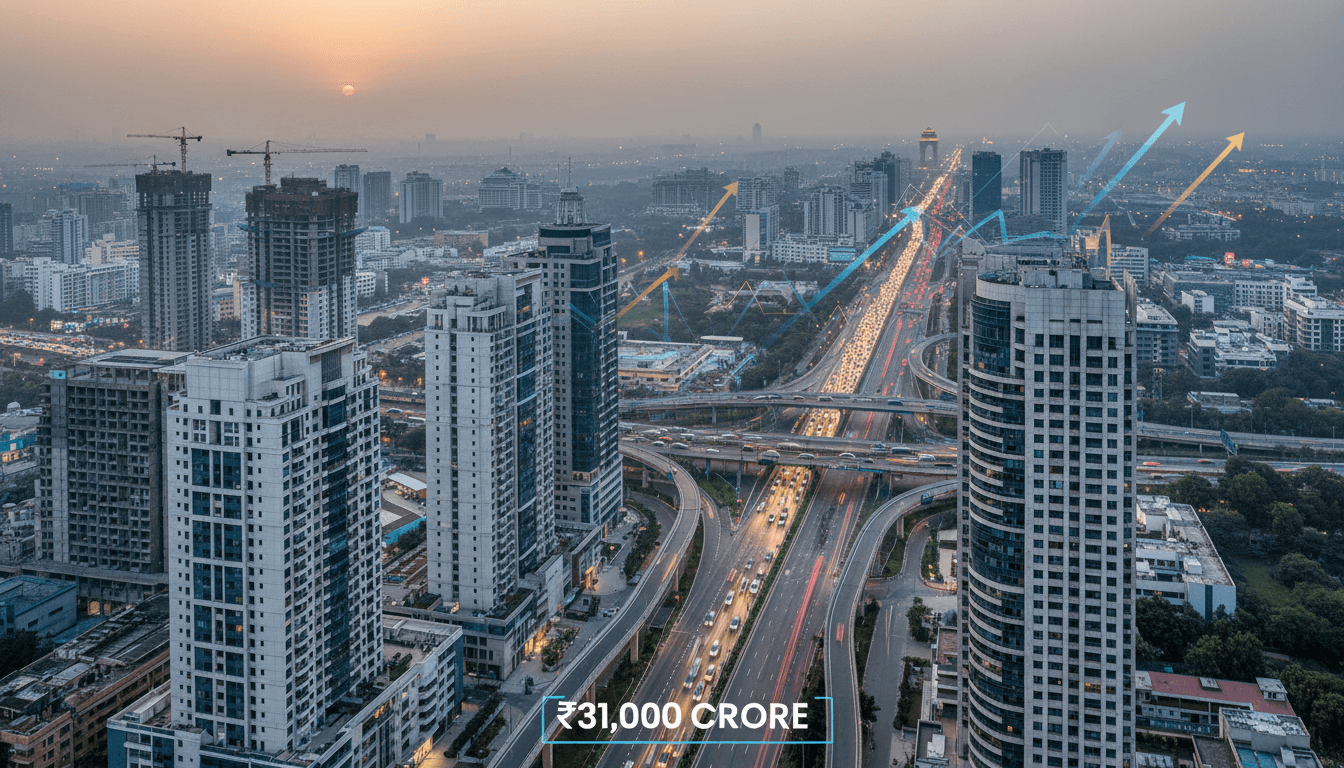
Rs 462 crore to Rs 1,020 crore. Same quarter, one year apart. That's the Delhi Development Authority's housing revenue jump for Q1 of FY27, and it's the kind of number that makes you double-check the source. It's real, though, confirmed by DDA officials themselves on Thursday. The authority sold 1,284 flats in three months and called it proof of "growing public confidence in its housing schemes." Fair enough, the numbers back that up.
Narela Is Doing Almost All the Work
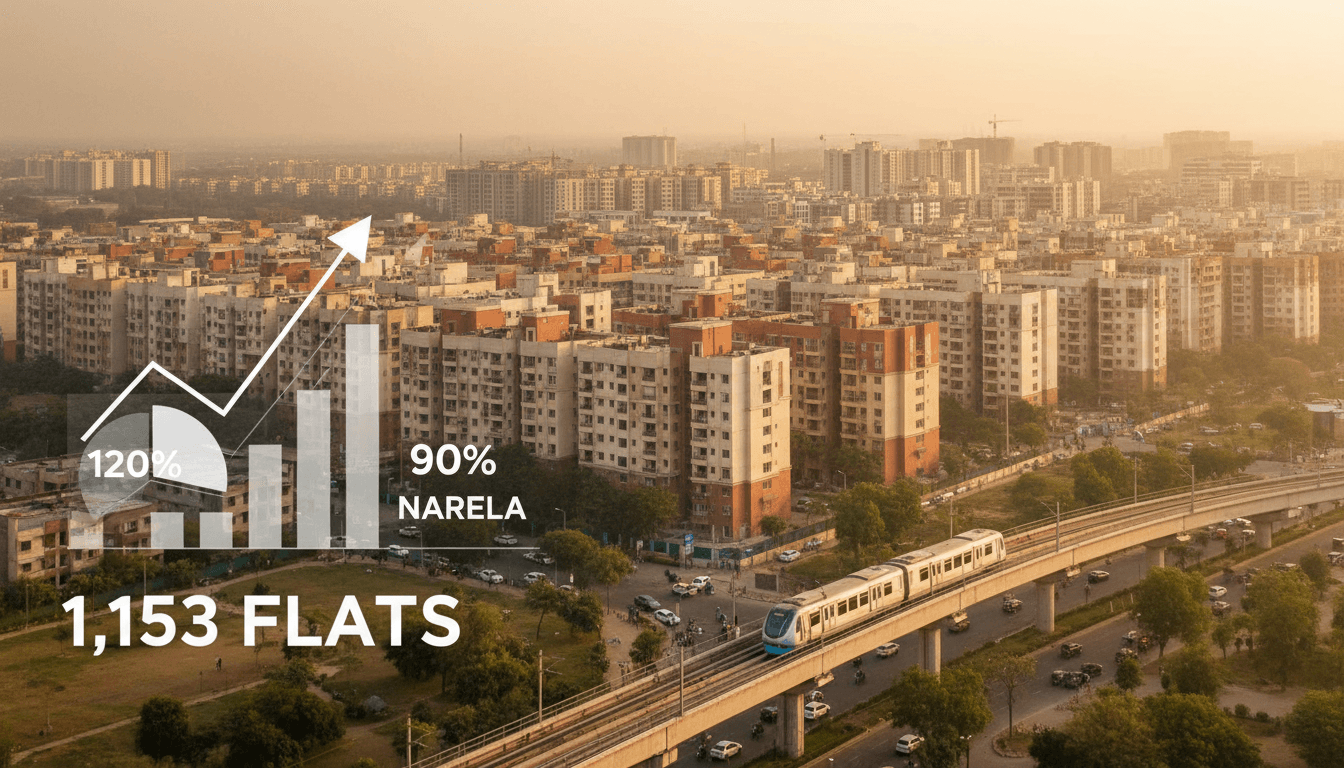
Here's the part that actually deserves attention: 1,153 of those 1,284 flats, close to 90 per cent, were sold in Narela alone. Not spread across DDA's usual mix of sub-cities. One location, carrying the entire story.
Think about that for a second. If you'd asked a Delhi homebuyer five years ago where they'd put their money in the capital, Narela almost certainly wasn't the first answer, or the fifth. It sat on the edge of most people's mental map of Delhi, useful mostly as a punchline about how far the city technically stretches. Now it's outselling everything else DDA has on offer, combined.
What Actually Changed on the Ground
DDA credits two things: the Urban Extension Road-II and the upcoming Rithala-Narela-Kundli Metro corridor. Both are still very much under construction, but that hasn't stopped buyers from acting now rather than waiting. That's worth sitting with. Buyers are pricing in connectivity that doesn't exist yet, based on infrastructure they can see being built, not infrastructure they're being promised on paper.
LG Taranjit Singh Sandhu's push to "re-imagine" DDA's sub-cities gets credit too, and it's a fair claim given the scale of the jump. But infrastructure momentum tends to outlast any single administrator's tenure, which is really the more durable reason this trend might hold.
The Schemes Behind the Numbers
DDA currently has three active housing schemes running: the Karmayogi Awaas Yojana, the Nagrik Awaas Yojana, and Towering Heights in East Delhi, spanning different income brackets, sold online on a first-come, first-served basis. No lottery drama, no waitlist uncertainty. If you qualify and you're fast, you get the flat.
Worth Sitting With, Not Just Reporting
There's a story here that goes beyond one quarter's revenue. Delhi's growth has always crept outward in waves, first Dwarka, then Rohini, then further still, and each time, the areas that got there early looked like a gamble right up until they didn't. Narela's numbers suggest it might be having that moment now, while it's still genuinely affordable rather than after the fact.
At Hommea, we'd tell a client the same thing we're saying here: a 90% concentration in one micro-market is a strong signal, but it's still one quarter of data, not 5 years of it. It's worth comparing against how the projects in Delhi are positioned right now, since a shift this sharp toward one sub-city tends to ripple into pricing and demand across the rest of the capital's affordable and mid-income segments too. Worth watching closely, not worth chasing blindly.
The buyers moving into Narela right now aren't waiting for certainty. Whether that turns out to be early conviction or getting ahead of themselves is something only the next couple of years, and that metro corridor actually opening, will really answer.
By the numbers · NEW DELHI, Delhi
38%
Capital-value growth, 2021–2025
50%+
Landscaped open area in new launches
24 mo
Window before supply catches demand