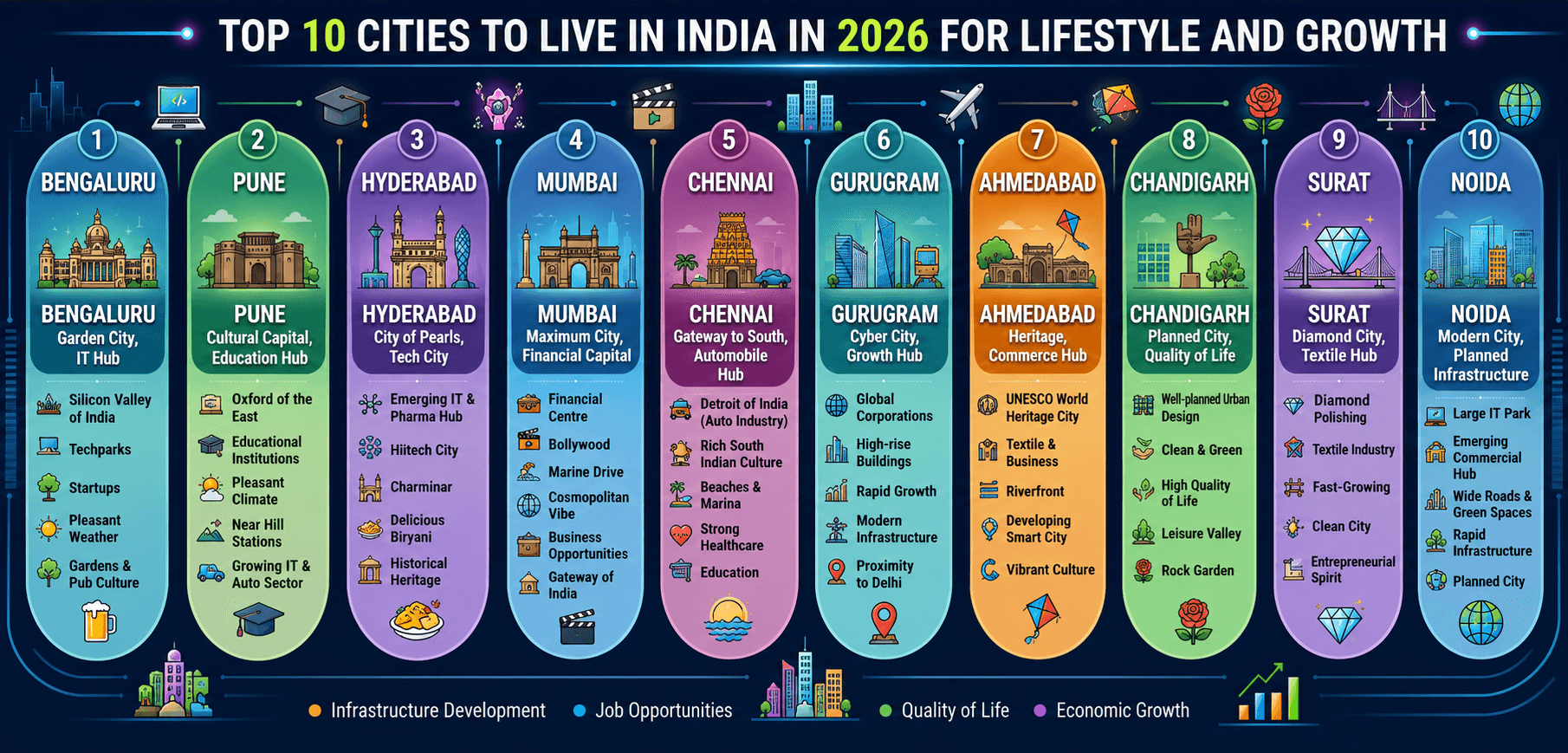
Living in India offers immense opportunities, but choosing the right city to call home can be challenging. With so many viable options, it’s easy to feel stuck when it comes to picking the right city. In this article, we’ve put together 10 of the best cities to live in India, what they offer, where they stand out, and where they might still need attention. From Bengaluru to Noida, you’ll gain insights into each city to help you choose the one that suits you best.
These insights make it a “must-read” for anyone planning a move, whether it’s for a job switch, giving your parents a better lifestyle, or starting a new phase of life in a different city. Let’s uncover the right city for you.
What Criteria Have We Used to Rank These Cities
Each and every city listed in this post has been evaluated across a few major factors that include shaping your everyday living. These are the criteria we’ve considered:
- Safety: Looking at crime rates, policing, and overall governance gives a fair idea of how safe a city really is.
- Cost of Living: This includes rent, groceries, utility bills, healthcare, and education; something that directly impacts your lifestyle.
- Infrastructure: Access to essentials like highways, airports, malls, parks, and public spaces plays a big role in how convenient a place can be.
- Education: For families, this is non-negotiable. The presence of good schools and universities says a lot about a city’s ecosystem.
- Opportunities: For working professionals, job availability, business growth, and overall economic activity are key factors to consider.
- Future Potential: It’s not just about how the city is today, but where it’s heading. Real estate growth, infrastructure development, and long-term prospects matter just as much.
These factors also help identify the best places to live in India for families based on real needs. So you’re not just choosing a popular city for yourself, but actually picking up the right one for your life.
Which Are the Top 10 Cities to Live in India?
1. Bengaluru
Known as the Silicon Valley of India, Bengaluru continues to attract a large number of working professionals from across the globe. The city is home to over 67,000 IT and non-IT companies, along with more than 16,000 startups, which also makes it one of the strongest employment hubs in the country. But it’s not just about tech. Institutions like IIM Bangalore, IISc, and Christ University add to its overall appeal, especially for students and young professionals. It remains one of the cities with best job opportunities in India for career-driven individuals.
Real estate here has also seen steady growth, with property values projected to rise by 8–12% throughout 2026. Yes, the cost of living can be on the higher side compared to many Tier 2 cities, but for many, the opportunities and lifestyle balance make it worth it. That said, the city does have areas that need attention. Concerns around safety, especially incidents of physical crime, have seen a rise in recent years.
However, with stricter policies and increasing focus on women’s safety, there is a visible effort to improve the situation moving forward. All of these perks combined make Bengaluru the current No. 1 city in India to live in.
2. Pune
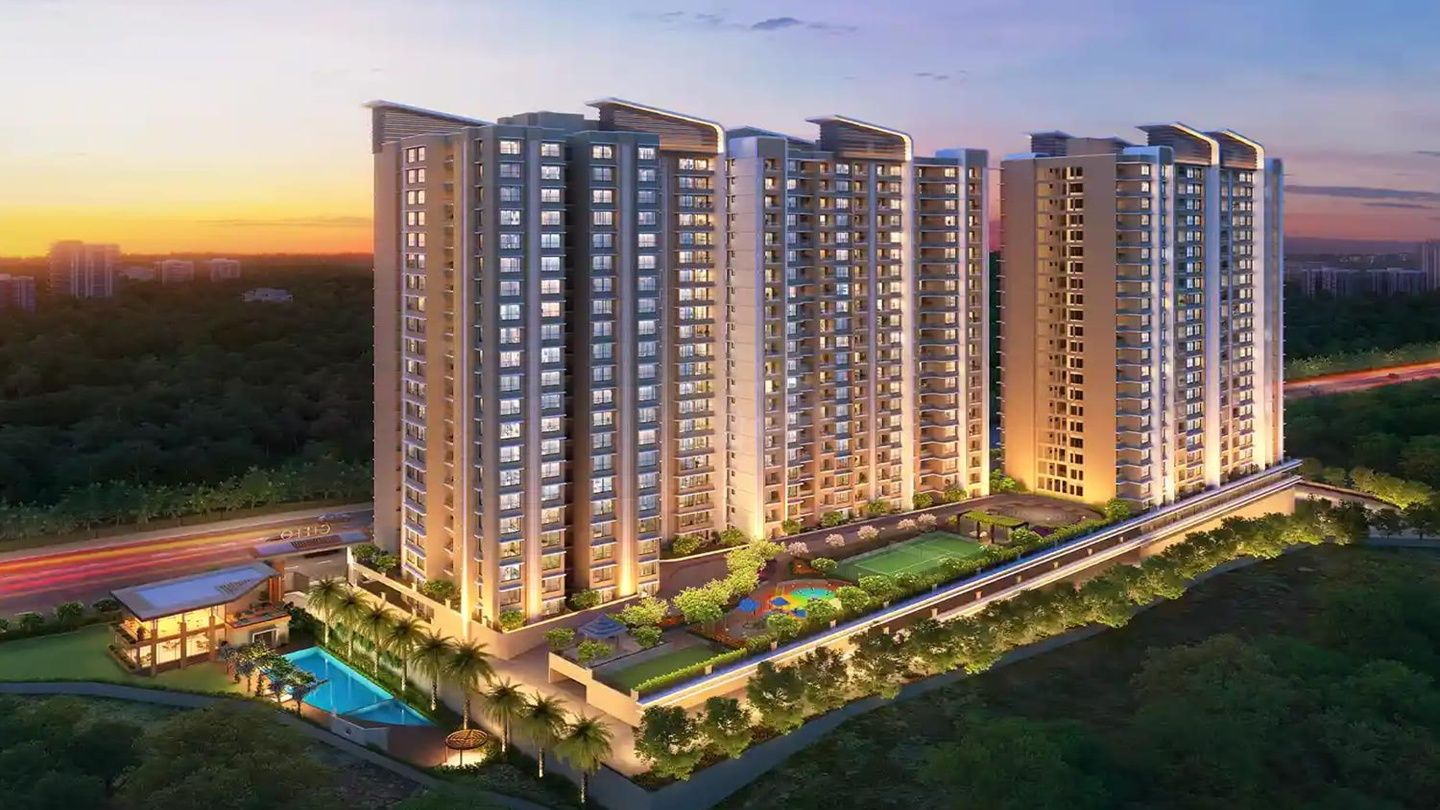
Pune has quietly evolved into one of the most balanced cities to live in, especially over the past few years. It has built a strong base in IT and manufacturing, while still holding on to its identity as an education hub. With institutions like Symbiosis, Savitribai Phule Pune University, and Fergusson College, the city naturally attracts a large and dynamic young population. It is widely considered one of the best places to live in India for families due to its balanced lifestyle.
What really works in Pune’s favour is the lifestyle it offers. Compared to cities like Mumbai and Bengaluru, it feels more relaxed and manageable. The weather remains pleasant for most of the year, and the overall pace of life is not as overwhelming. It gives you that much-needed balance between work and personal life. On the infrastructure front, metro connectivity and road development have started improving daily commuting. Areas like Hinjewadi, Baner, and Kharadi continue to grow as IT hubs, bringing in consistent job opportunities.
Real estate has also seen steady growth, particularly in these IT-driven pockets. While the cost of living is rising, it still remains more reasonable compared to Mumbai. That said, traffic congestion and rapid expansion in certain areas can be a concern. Overall, Pune offers a well-rounded mix of growth, comfort, and lifestyle, making it a strong contender for 2026.
3. Hyderabad
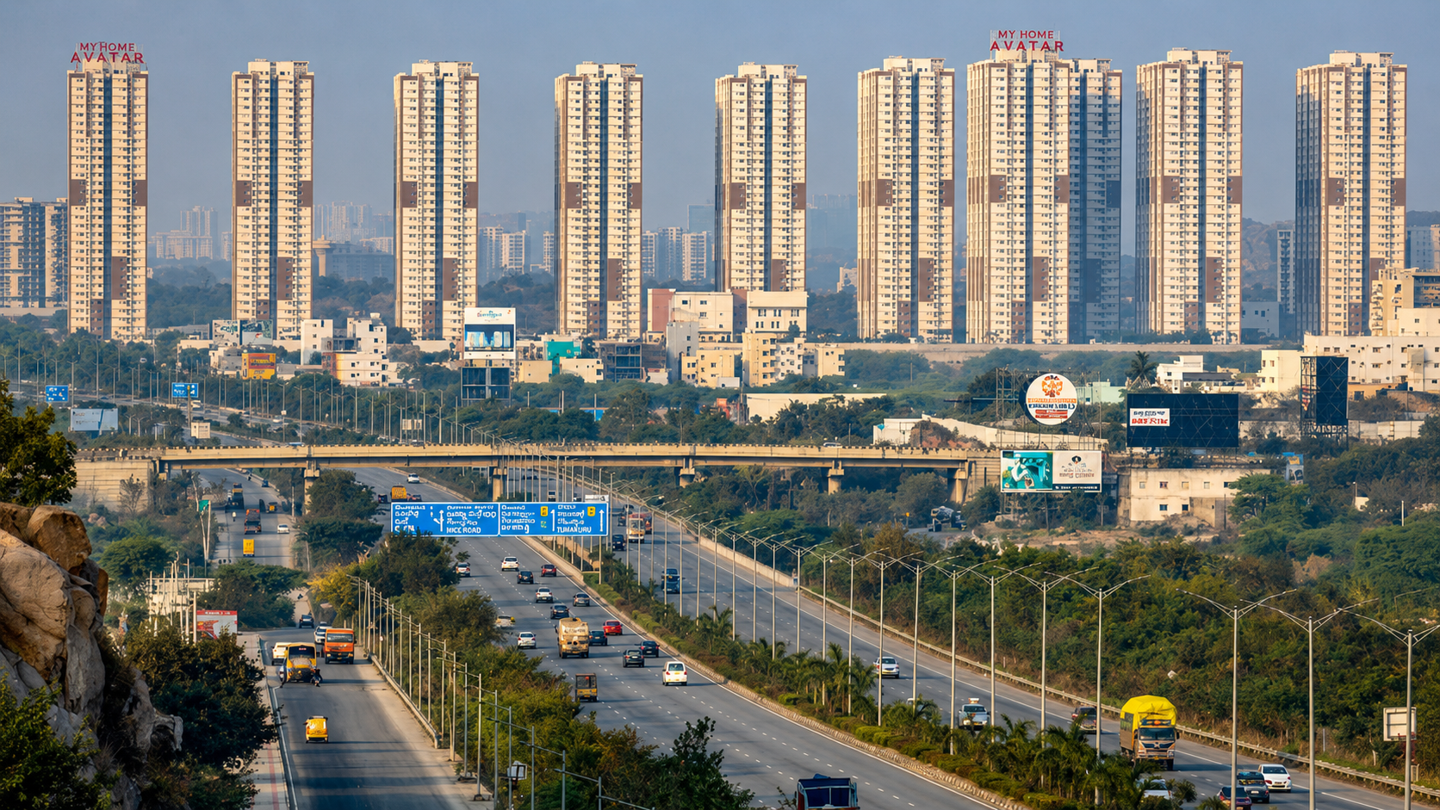
Another rising city when it comes to IT and home to a lot of MNCs, Hyderabad is a strong mix of urban growth and modern living. It is one of the fastest-growing cities in India and has emerged as a major business hub for top companies. Widely known as the City of Nizams, it is not just popular for its rich food culture, but also for the kind of affordability it offers compared to several other metropolitan cities. It is also among the fastest growing cities in India 2026 with strong infrastructure expansion.
What really works in Hyderabad’s favour is how well it has managed its growth. Areas like HITEC City, Gachibowli, and the Financial District continue to attract professionals, while still offering relatively better infrastructure and smoother connectivity. The city feels more planned, with wider roads and less chaotic expansion in comparison to some other metros.
Real estate has also seen consistent growth, especially in the western corridor, with increasing demand from IT professionals. The cost of living, while rising, still remains reasonable when you look at the quality of housing and lifestyle you get. Traffic congestion during peak hours and rapid development in certain areas are starting to show. But overall, Hyderabad offers a balanced mix of opportunity, affordability, and lifestyle, making it one of the most practical cities to consider in 2026.
4. Mumbai
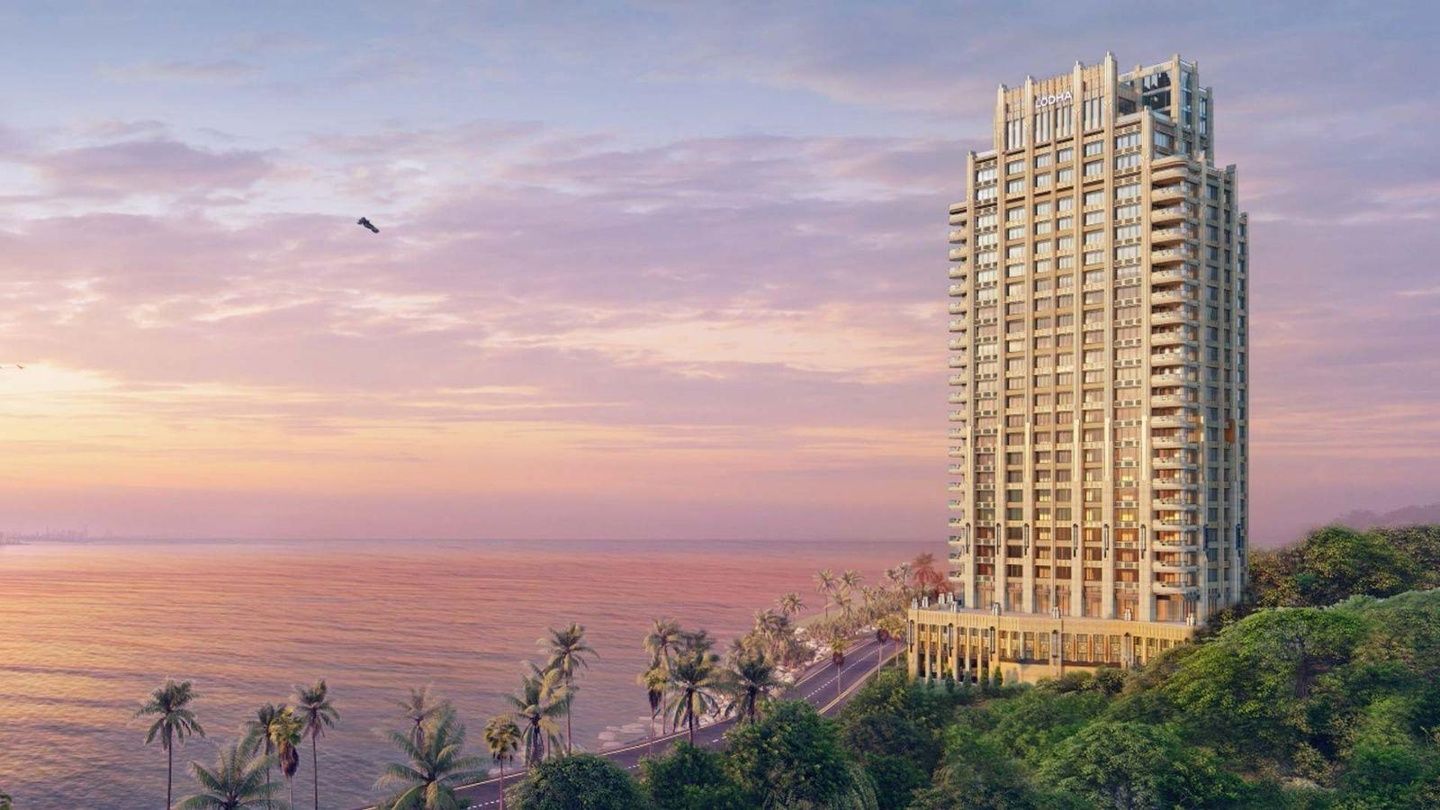
“The Financial Capital of India” will always have a place in the list when it comes to choosing the best cities to live in. Mumbai has been the backbone of trade and commerce for years, largely because of its strategic location along the Arabian Sea. From banking and finance to cinema and entertainment, the city continues to dominate across sectors. Mumbai is also known for being one of the safer metropolitan cities in India, especially for women and foreign travellers, which adds a strong layer of comfort for people planning to move here. It continues to feature among the best cities to live in India 2026 due to its unmatched economic opportunities.
However, over the past decade, the city’s growth has felt a bit steady rather than aggressive, with cities like Delhi, Hyderabad, and Bengaluru moving ahead in certain aspects. This shift is also visible when you look at the real estate market. The luxury segment is expected to grow by around 8–10%, while the mid-segment could see stronger growth in the range of 15–20%. The cost of living here can also be on the higher side; however, the safety and growth it offers can make it worth it in the long run.
There are still some practical challenges. Potholes and flooding during the monsoon continue to be concerns. However, recent initiatives like the BMC’s ₹17,000-crore plan to make Mumbai pothole-free can bring some much-needed improvement. Overall, Mumbai still stands strong and continues to be a city people look up to for both opportunity and lifestyle.
5. Chennai
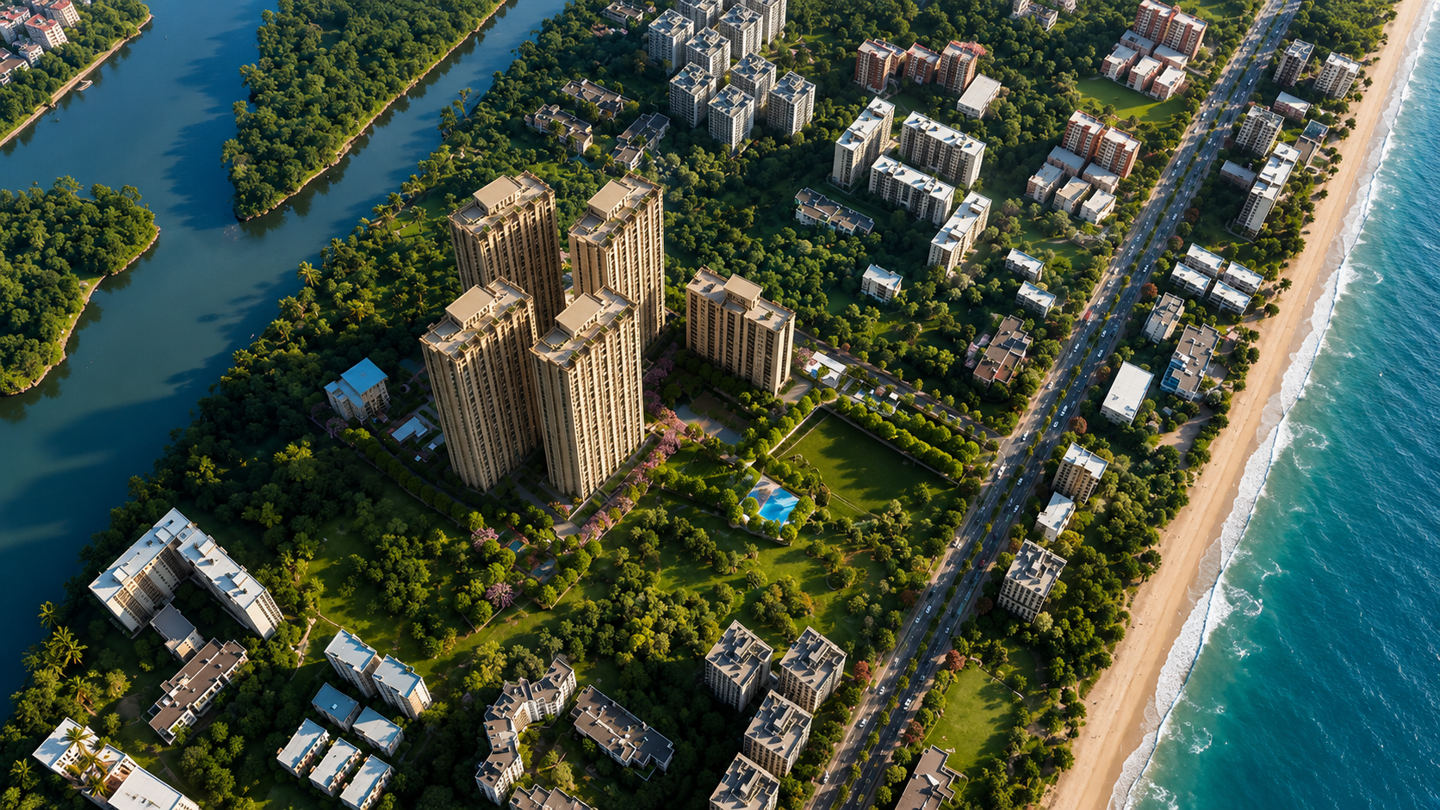
Chennai has quietly built a strong and stable ecosystem over the years. Known for its industrial base and growing IT sector, the city is home to major automobile companies, manufacturing units, and tech firms, making it a reliable option for long-term career growth. What sets Chennai apart is its consistency. It may not be as fast as cities like Mumbai or Bengaluru, but it rarely slows down either. Areas like OMR, Guindy, and Ambattur have become key employment hubs, attracting both professionals and businesses.
The city also has a solid educational backbone, with reputed institutions and a steady student population. This also places it among the affordable cities to live in India for long-term settlement. Chennai is relatively more affordable than cities like Mumbai and Bengaluru, especially when it comes to housing. Real estate has seen steady, gradual growth, which makes it a practical choice for both end-users and long-term investors.
That said, the weather can be a challenge. The heat and humidity can feel intense, especially for those not used to it. Traffic congestion in certain areas is another factor to consider. Still, Chennai offers a dependable mix of stability, opportunity, and affordability, making it a strong choice of the best cities to live in 2026.
6. Gurugram
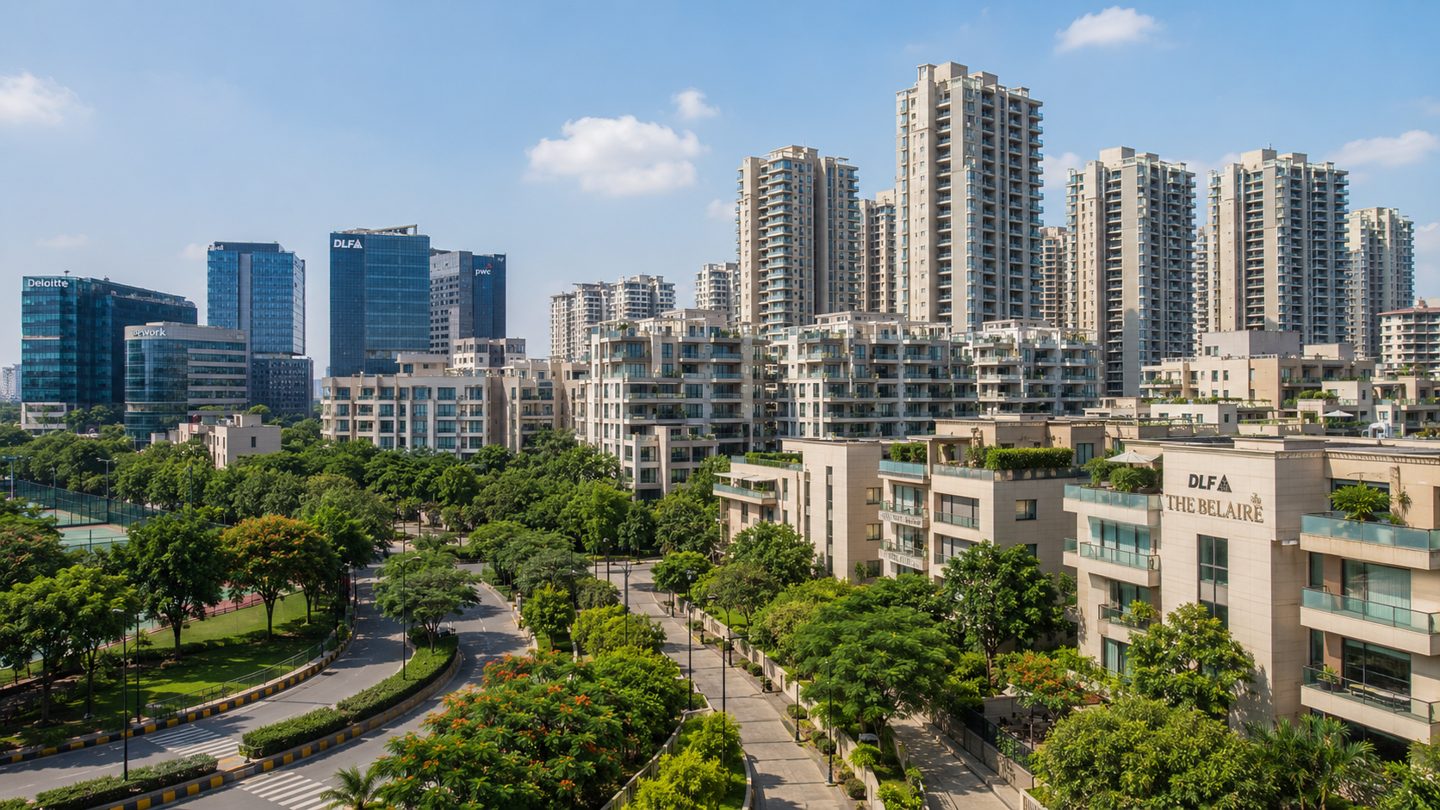
One of the fastest-growing hubs for IT, business, and real estate, Gurugram has firmly established itself as a key urban centre in India. It is widely recognised among the cities with best job opportunities in India for corporate professionals. The rise in job opportunities and corporate expansion over the past few years has been significant, driving both migration and housing demand. At the same time, the shift towards luxury living has transformed the city’s landscape. As of 2026, Gurugram has even surpassed Mumbai in the ultra-luxury housing segment, reflecting strong buyer confidence at the premium end.
The city has also seen a gradual improvement in public safety, with police data indicating a decline in crime rates. Connectivity remains one of its biggest strengths. Its proximity to Delhi, along with access to major highways and the Dwarka Expressway, makes commuting relatively convenient. Ongoing metro expansion is expected to further ease travel across key sectors.
This growth also contributes to its position among the fastest growing cities in India 2026. However, the city still faces practical challenges. Road conditions in several areas need attention, with potholes affecting daily commutes. Waterlogging during heavy rains remains a recurring issue in certain pockets. Traffic congestion during peak hours also continues to impact travel time. Despite these concerns, Gurugram remains one of the best places to live in 2026.
7. Ahmedabad
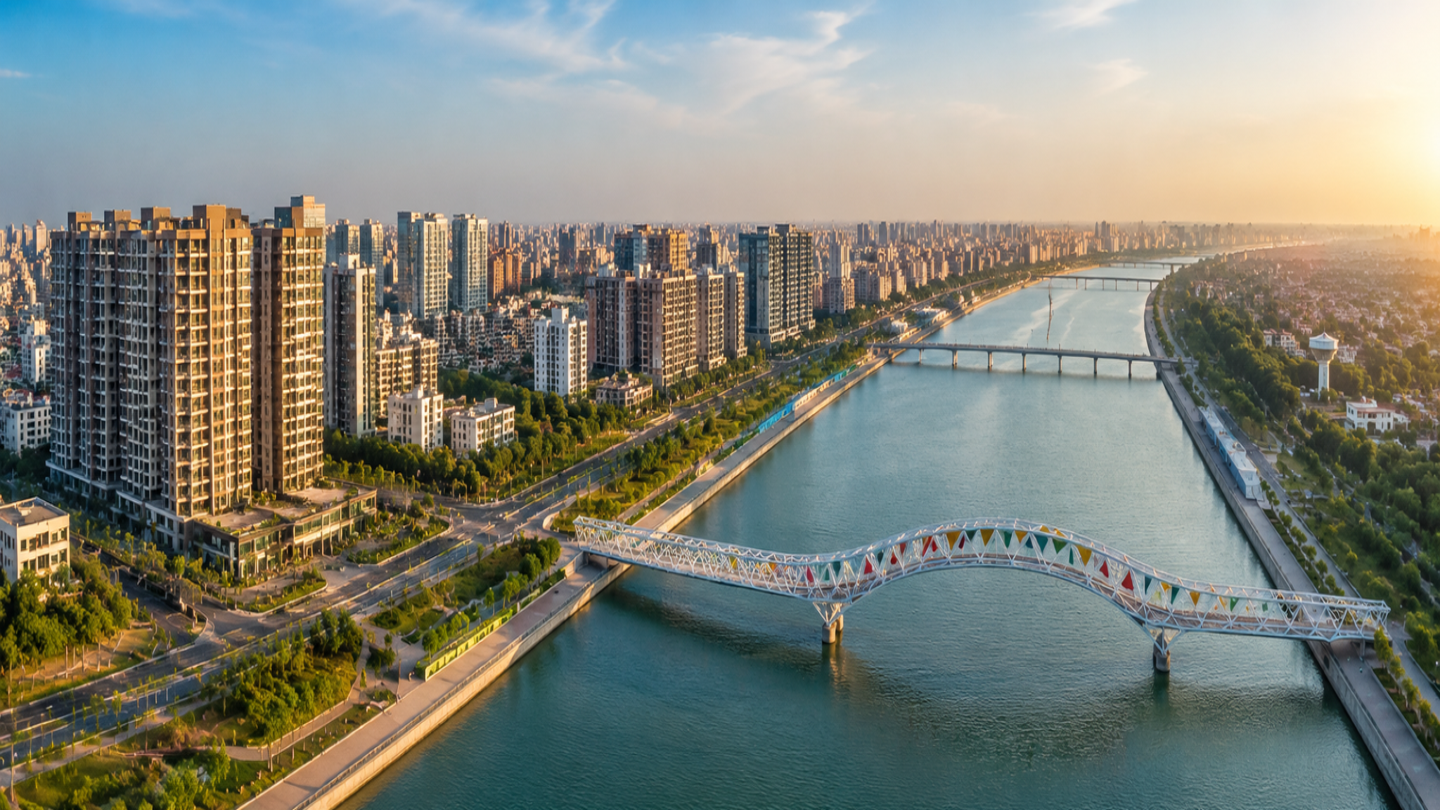
Number 7 on the list is Ahmedabad, and as of 2026, it stands out as a city that you can choose for practicality and long-term comfort. You get a growing corporate environment without the pressure, high costs, and constant rush that usually come with it. One of the biggest reasons people are considering Ahmedabad today is the opportunity it offers without forcing major trade-offs. With Global Capability Centres and fintech companies expanding here, the job market continues to grow steadily. It is increasingly seen as one of the affordable cities to live in India with strong long-term value.
GIFT City of Ahmedabad is no longer just a vision on paper. It now functions as an active business hub, attracting global firms and creating real employment opportunities. The cost of living remains noticeably lower than cities like Mumbai or Gurugram, yet infrastructure, governance, and overall liveability continue to improve. According to Numbeo’s Crime Index by city, Ahmedabad ranks among the top 3 in India. The city is also regarded as one of the safer urban centres in the country, adding real value for families and working professionals planning to settle there.
Another key advantage is the city’s real estate potential. Residential property values are projected to grow at a steady rate of around 5% to 7% annually through 2030, making it a practical option not just for living but also for long-term investment. However, public transport is not as extensive as in larger metros, and traffic congestion has started to build up in certain pockets. So, Ahmedabad may not be the flashiest option, but it offers stability, affordability, and consistent growth, which makes it a smart and practical way to live in 2026.
8. Chandigarh
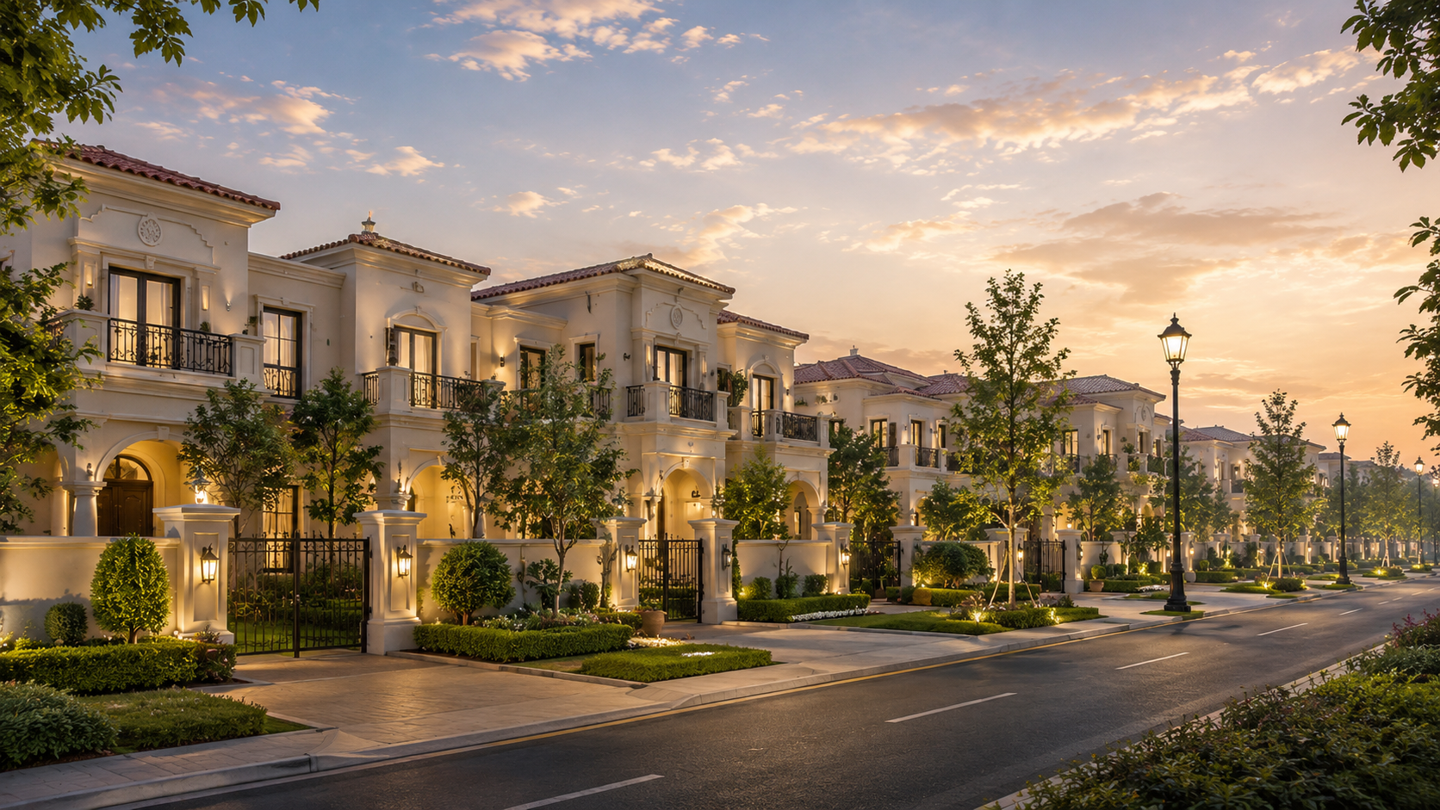
Known as one of the happiest cities in India, Chandigarh continues to stand out as one of the most well-planned and liveable places in the country. Serving as the capital of both Punjab and Haryana, the city stays deeply connected to its cultural roots while steadily evolving in 2026. It offers a mix of growth, sustainability, and organised living, making it one of the most balanced Tier-2 cities to settle in. Strong policing, active surveillance, and well-managed traffic systems make everyday life feel more secure and structured. It is also gaining attention in lists of the best cities to live in India 2026 for its planning and quality of life.
The city also offers wider roads, green spaces, and a more relaxed pace compared to crowded metros. That said, living here does come at a cost. For a family of four, monthly expenses can range between ₹1,05,000 to ₹1,40,000 for a comfortable lifestyle, excluding rent. The skyline is gradually evolving with premium housing options, and connectivity to nearby cities like Delhi and Gurugram adds to its appeal. The real estate market is also gaining traction, with projections indicating an 8–12% growth in the coming years.
However, Chandigarh still falls slightly behind when it comes to large-scale job opportunities compared to cities like Delhi, Gurugram, or Ahmedabad. The absence of a metro system also impacts intra-city connectivity. Even so, with the Tricity region slowly developing as an IT hub, Chandigarh remains a strong choice for those prioritising stability and work-life balance in 2026.
9. Surat
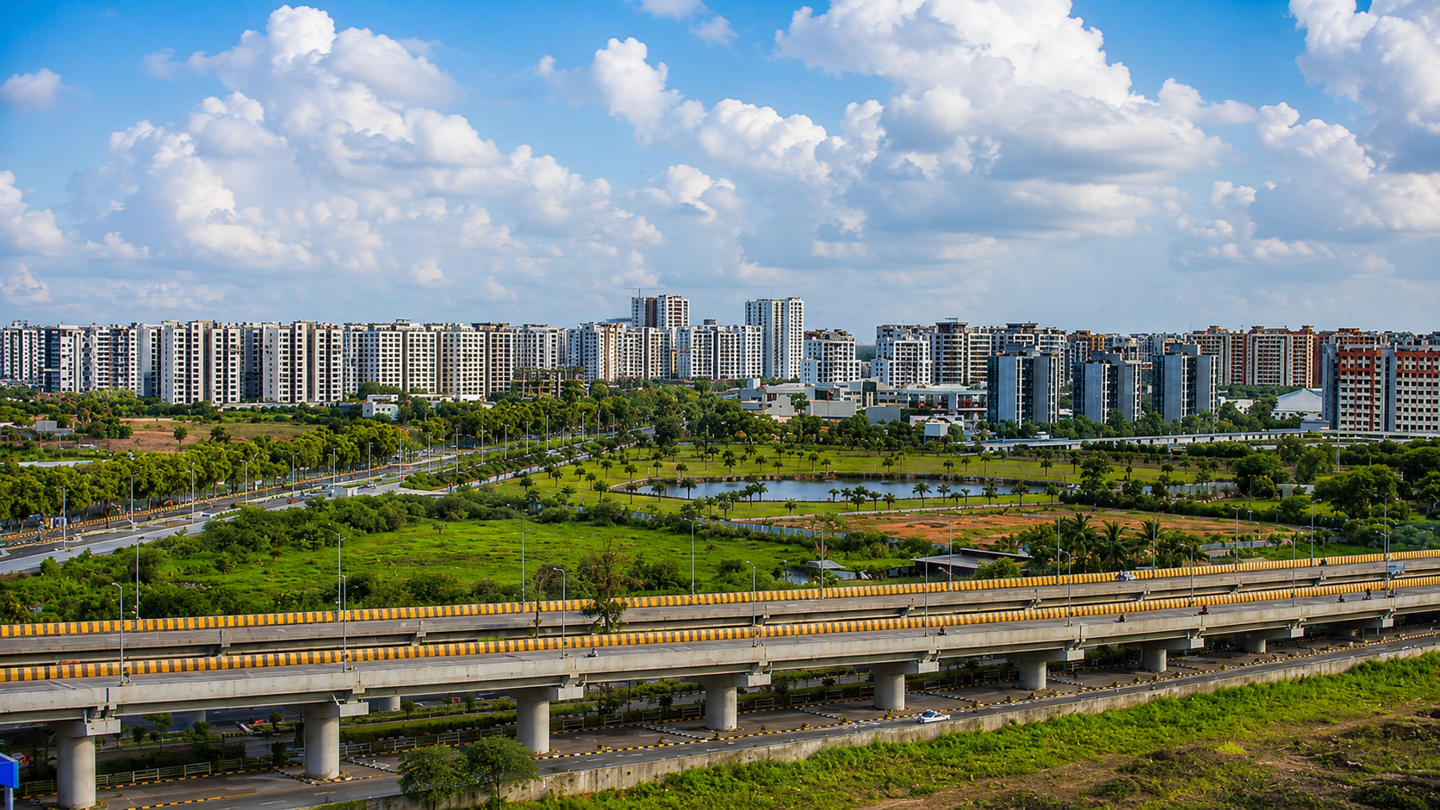
Surat in 2026 stands out as one of the fastest-growing cities in India, backed by strong economic momentum and a clear industrial identity. According to a report by the World Economic Forum, Surat’s GDP is projected to grow at around 9.17%, making it the fastest-growing city in the world, driven by its global dominance in the diamond and textile industries. It offers real, on-ground opportunities, especially for those involved in manufacturing, trade, and export-led businesses. It is also being recognised among the fastest growing cities in India 2026 with strong industrial expansion.
One of Surat’s biggest advantages is affordability. Compared to many major cities, the cost of living, particularly in housing and food, remains relatively lower. The city also ranks as the second cleanest in India, supported by consistent urban planning and “slum-free” initiatives. Safety is another strong point, with advanced CCTV coverage and active monitoring across key areas. This makes it one of the more affordable cities to live in India for long-term settlement.
Infrastructure development is steadily improving. Projects like the Bullet Train corridor are expected to enhance long-term connectivity and economic value. The residential market is also gaining traction, with property demand rising and projected to grow by 10–20% in the coming years. However, Surat still faces a few challenges. Public transport, despite the BRTS, lacks depth and coverage. Flooding during heavy rains remains a concern, and the absence of a fully functional international airport limits global connectivity. Even with these gaps, Surat continues to grow at a strong pace, making it a practical and high-potential city for the future.
10. Noida
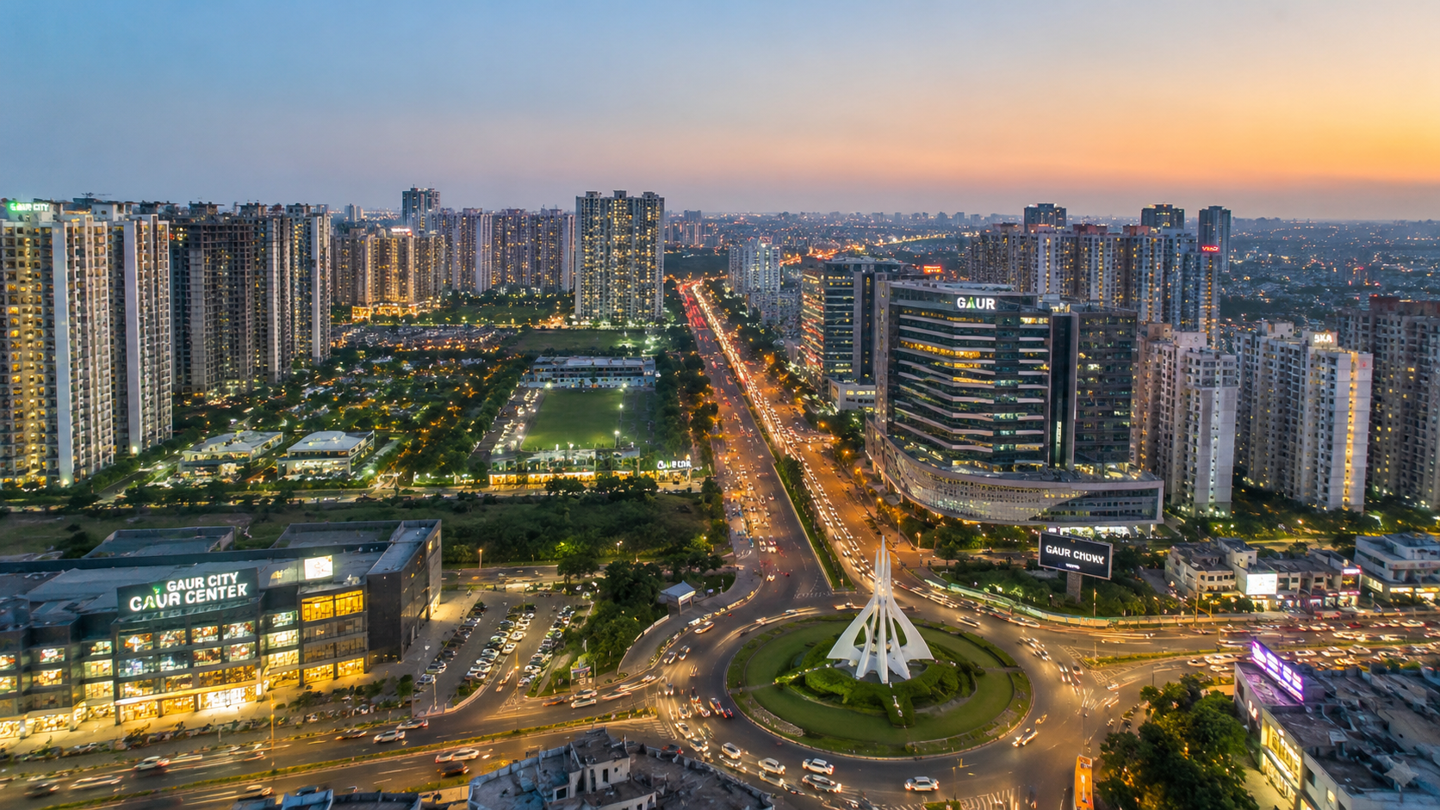
In 2026, Noida has positioned itself as one of the most preferred cities for both families and working professionals. The combination of strong infrastructure, planned sectors, and its rise as a digital hub has changed how the city is perceived over the last few years. With a large share of software companies in Uttar Pradesh operating from here, job opportunities have scaled steadily. It is now counted among the cities with best job opportunities in India for tech and service sectors.
A big driver behind Noida’s growth is the Jewar international airport. Property prices in nearby areas have already surged significantly since 2020, and the market is expected to grow further by 10% to 15% in the near term. For families, sectors like 150 are becoming preferred choices because of better planning, open spaces, and a cleaner environment compared to other parts of NCR.
From a living perspective, Noida is still relatively manageable. An individual can maintain a comfortable lifestyle within ₹18,000 to ₹35,000 per month, excluding rent. The city also feels more organised and safer, especially in gated societies. That said, Noida does have its issues. Pollution during winters can get serious. Garbage dumping and occasional water contamination problems still need attention. But despite these concerns, Noida offers a strong mix of growth, planning, and liveability, making it a practical place to live in 2026.
Final Verdict: Which City Makes the Most Sense to Live in 2026?
The best city to live in 2026 depends on the kind of life you want to build. At Hommea, we focus on giving clear, practical insights instead of pushing one “perfect” location, because what works for one person may not work for another. If you are planning for a family and want a comfortable, well-equipped lifestyle, cities like Bengaluru, Chennai, Gurugram, and Noida tend to make more sense. They offer better residential options, modern infrastructure, and access to quality amenities that support long-term living. These factors help define the best cities to live in India 2026 based on different life stages.
If your priorities lean more towards work-life balance, social life, and a bit of energy in your day-to-day routine, then Pune, Mumbai, Hyderabad, and Chandigarh might suit you better. These cities bring a different pace, with stronger lifestyle and cultural experiences. For those who prefer something more balanced and less hectic, cities like Ahmedabad and Surat offer stability, affordability, and steady growth without the constant rush of larger metros. Many of these also rank among the affordable cities to live in India without compromising lifestyle.
There are also cities like Kolkata, Delhi, Indore, Jaipur, and Lucknow that continue to evolve and offer their own advantages. They may not check every box yet, but they remain strong options, depending on what you value. In the end, the right city is not the most popular one, it is the one that fits your lifestyle the best.
FILED UNDER